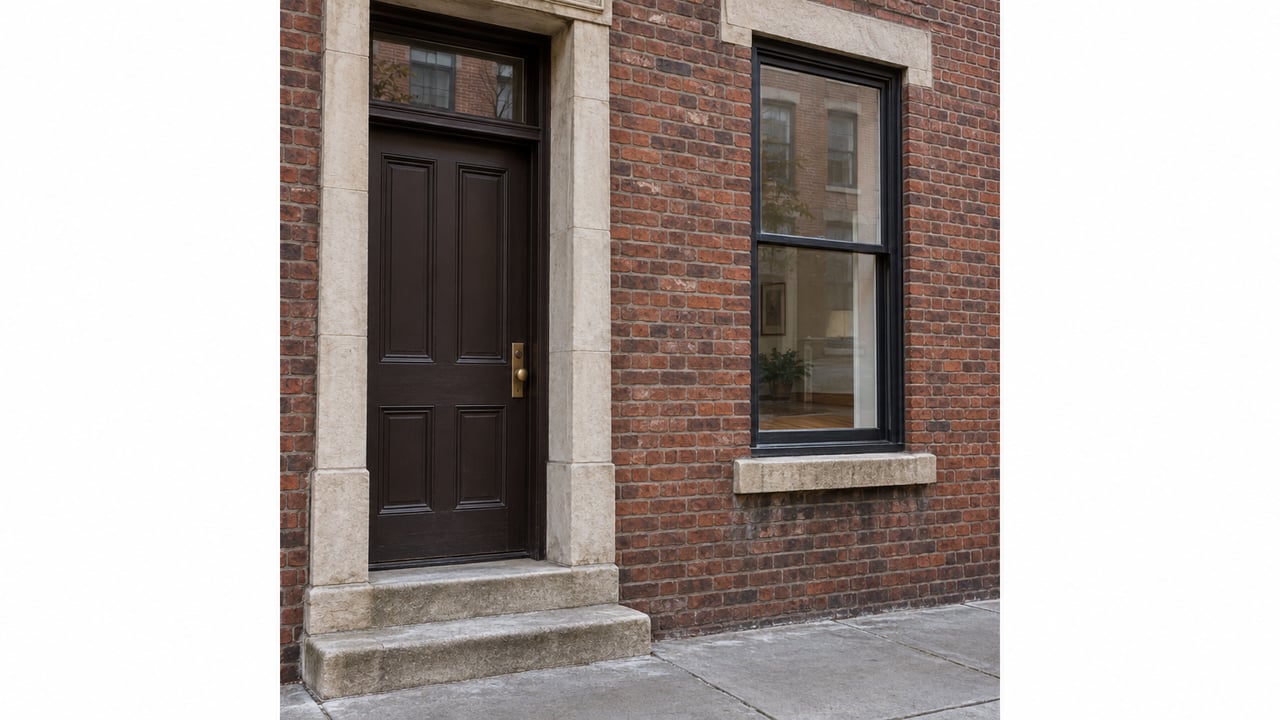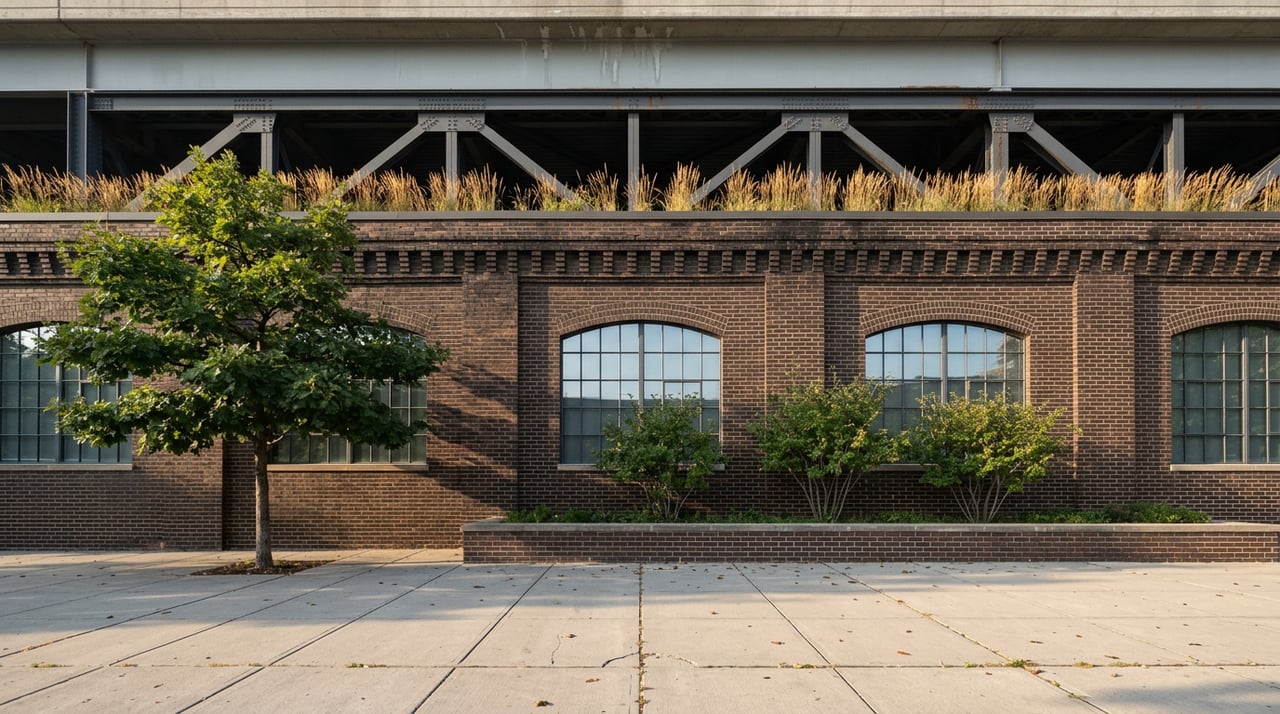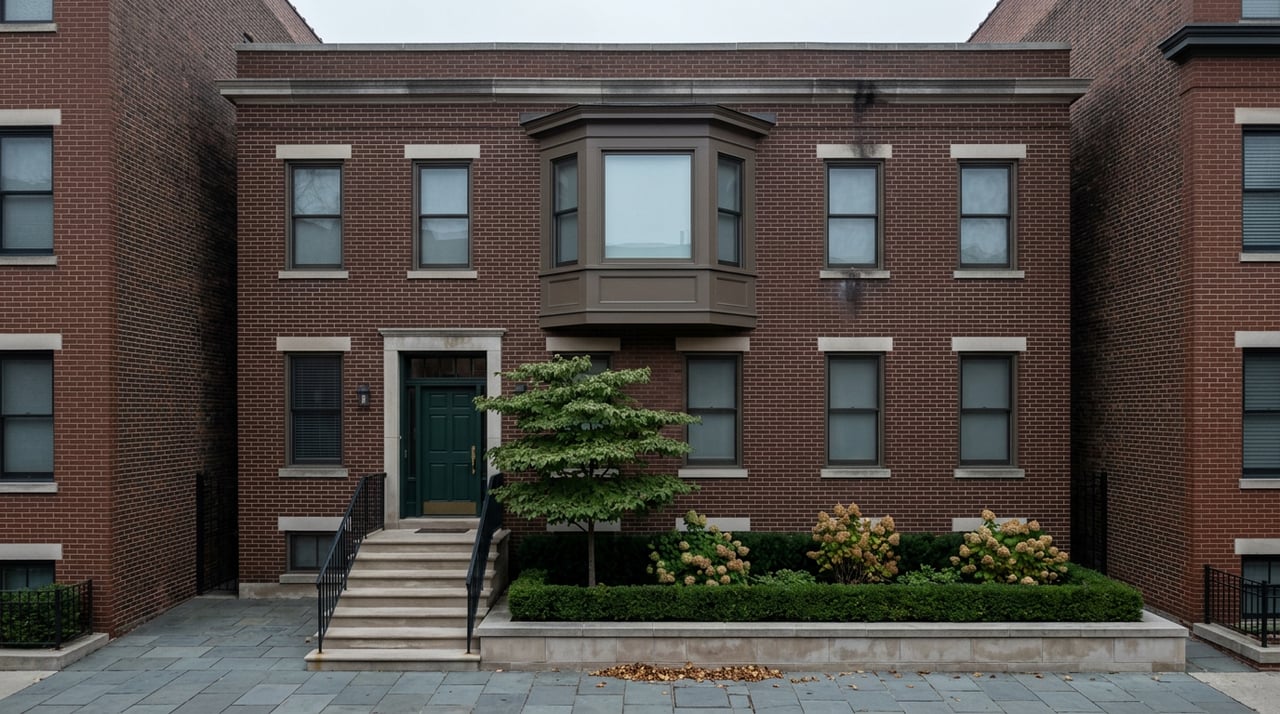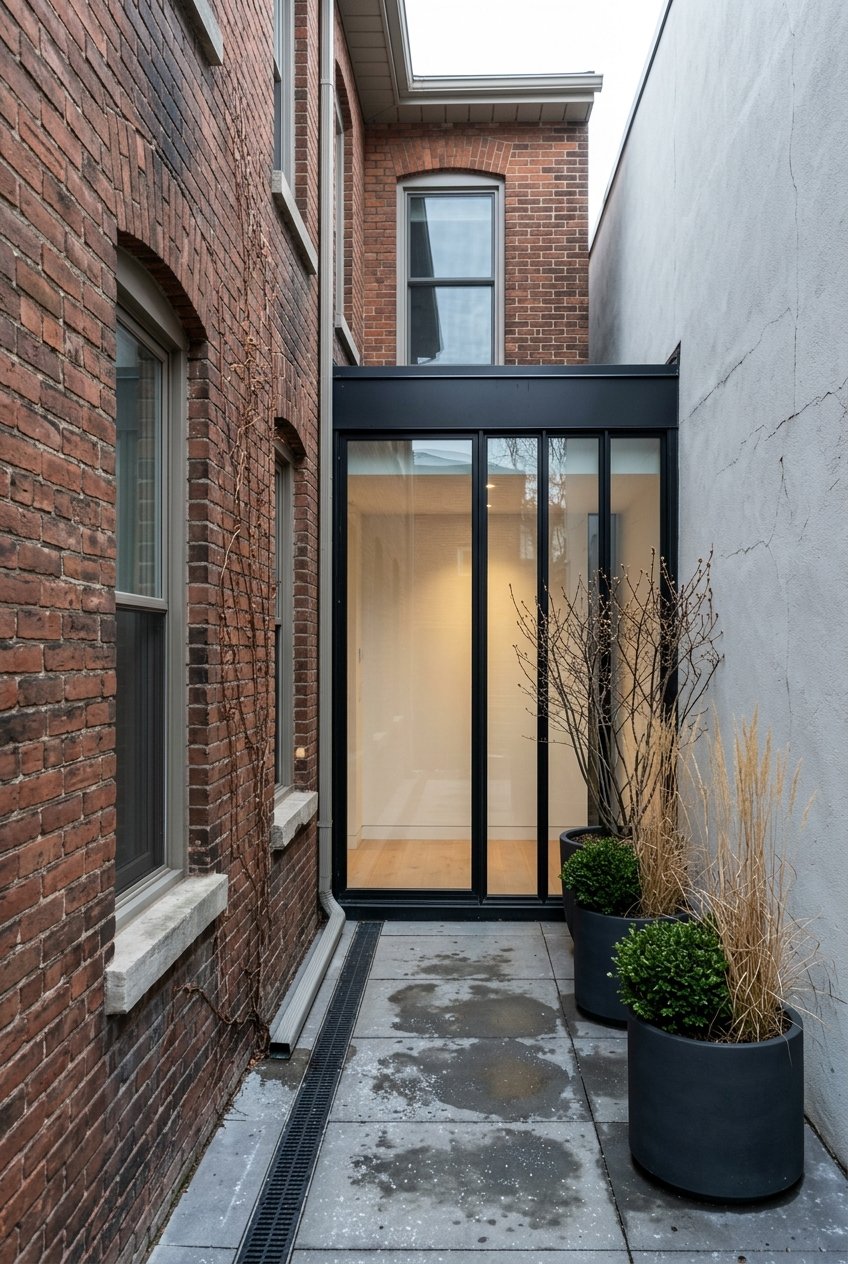
Curious why one West Town block feels intimate and historic, while the next reads sleek and modern? That contrast is not random. It is one of the clearest reasons buyers are drawn to West Town in the first place, especially if you care about architecture, layout, and long-term potential. In this guide, you will learn how to read West Town’s most recognizable housing types, what they can mean for daily living, and which details deserve a closer look before you buy. Let’s dive in.
West Town’s Architectural Story
West Town is best understood as a collection of distinct building types rather than one uniform look. According to the Chicago Public Library’s West Town community history, the area sits about three miles northwest of downtown and includes Bucktown, East Village, Noble Square, Pulaski Park, River West, Ukrainian Village, and Wicker Park.
That wider history matters when you shop for a home here. West Town grew through railroad activity, factories, immigrant settlement after the 1871 Fire, and later redevelopment, which helps explain why you can see compact workers cottages, brick flats, landmarked residential blocks, and newer infill within a short walk.
For buyers, that mix creates opportunity and complexity. A home’s style is only part of the story. You also want to understand how the building was originally designed, how it has changed over time, and whether the current layout still fits the way you want to live.
Why West Town Feels So Varied
West Town’s signature architecture comes from layered development rather than a single planning era. Some homes were built for workers on narrow city lots, while others were designed as stacked apartments or larger residential buildings.
Today, you can still feel that history block by block. In some stretches, the appeal is visual continuity. In others, it is the contrast between preserved masonry buildings and newer, more open contemporary homes.
One of the strongest examples of a preserved historic streetscape is the Ukrainian Village District, which Chicago Landmarks describes as a residential cross-section of German, Polish, and Ukrainian settlement on the Near West Side. The district includes workers cottages, two- and three-flats, single-family homes, and larger apartment buildings, with a notably consistent street character.
Workers Cottages in West Town
What a workers cottage looks like
A Chicago workers cottage is a narrow, lot-efficient house type that was designed to fit urban lots economically. The Chicago Workers Cottage Initiative explains that cottages are usually about 25 feet wide, with a gable-front shape, a side-perpendicular entrance, and a floor plan that places larger common rooms on one side and smaller bedrooms on the other.
From the street, these homes often feel modest and compact. Common clues include a narrow front facade, a lower roofline, and a front door placed off to one side instead of centered.
How cottages may function today
Many cottages have changed over time. Some kept their original single-family setup, while others added rear additions, basement or upper-level apartments, or were raised to create living space underneath, according to the Workers Cottage Initiative’s overview.
That means the same exterior type can hide very different interior experiences. One cottage may feel cozy and traditional, while another may open up into a deeper floor plan with expanded living space toward the rear.
What buyers should pay attention to
If you are considering a workers cottage, focus on how the original footprint meets modern needs. Ask yourself:
- How much of the home feels original versus expanded
- Whether the bedroom placement supports your routine
- How the rear addition changes light and flow
- Whether lower-level space feels integrated or separate
For many buyers, the appeal is character plus flexibility. A cottage can offer a more intimate street presence while still accommodating updated living if renovations were handled thoughtfully.
Two-Flats and Three-Flats
Why these buildings define Chicago living
Brick two-flats and three-flats are some of the most recognizable residential forms in Chicago, and West Town has many strong examples. The Chicago Architecture Center notes that a two-flat is made up of two separate apartments stacked one above the other, often revealed by repeated window rhythms on the front and sides.
These building types are more than visual icons. They are also practical urban housing forms that have shaped how Chicagoans live for generations. The same source notes that two-, three-, four-, and six-flats make up more than 30 percent of the city’s housing stock, with many built between 1900 and 1920.
How buyers can interpret them
A two-flat can serve several different goals depending on the building’s current use. It may function as:
- A true two-unit property
- An owner-occupied home with rental income from the other unit
- A candidate for future single-family conversion
That flexibility is one reason these homes attract both lifestyle buyers and multi-unit-minded buyers. The architecture often reflects that layered utility, with straightforward floor plans and strong masonry presence.
What deconversion can look like
In West Town, some historic flats have been reworked into single-family homes. A documented West Town renovation shows this clearly, with a former two-flat converted into a connected single-family home that placed bedrooms and a family bath on one level, shared living spaces upstairs, and extended the kitchen toward a roof deck.
For you as a buyer, that means a vintage exterior does not always signal a traditional multi-unit interior. It is worth confirming whether a home is still configured as separate units or has already been reimagined for single-family living.
Landmark Blocks and Historic Character
Why Ukrainian Village stands out
If you want a concentrated example of West Town’s historic residential character, Ukrainian Village is a key area to understand. Chicago Landmarks describes the district as a preserved streetscape with a wide range of residential building types, and notes that nearly one in three buildings there was developed by W. D. Kerfoot, which helps explain the cohesive look of many blocks.
That kind of consistency can be a major draw for buyers who value architecture and block presence. It also creates a different ownership experience than buying on a non-landmarked block.
What landmark status may mean for buyers
On landmarked blocks, visible exterior features can carry added review requirements. The city’s Landmarks owner Q&A explains that exterior elevations visible from the public right-of-way are generally treated as significant, so facade changes and other visible alterations are reviewed through the Chicago Landmarks process.
That does not mean every repair becomes complicated. The same city resource states that routine maintenance does not require a separate building permit, and it notes potential benefits such as neighborhood stability, preservation incentives, and added prestige.
For buyers, the takeaway is simple: if historic character is part of what you love, make sure you also understand the approval process tied to visible exterior work.
Contemporary Infill and Adaptive Reuse
What newer West Town homes often emphasize
West Town is not frozen in one era. New construction and adaptive reuse continue to shape the housing mix, often with a different set of priorities than older building types.
The Chicago Architecture Center’s discussion of missing-middle housing is relevant here because it focuses on rethinking single-family homes, two- and three-flats, rowhouses, and six-flats for modern living, including better light, sustainability, and work-from-home functionality.
In West Town, that often shows up as transit-oriented infill or mixed-use buildings rather than suburban-style standalone homes. A recent example is Inspire West Town, an eight-story mixed-use building with 113 rental apartments, ground-floor retail, balconies, a rooftop terrace, and a parking podium.
How to compare old and new
Newer homes often prioritize open interiors, outdoor space, and amenity-driven living. Older homes may offer more architectural texture, established masonry character, and layouts shaped by historic use patterns.
Neither is automatically better. The right fit depends on what matters most to you, whether that is original detail, income potential, flexibility, natural light, or a more turnkey layout.
How to Read a West Town Home Before You Buy
Architecture is not just about curb appeal. In West Town, it is also a practical tool for understanding how a home may function now and what options it may offer later.
As you tour homes, keep these questions in mind:
- Is this still a true two-flat or three-flat?
- Has the property been deconverted into a single-family home?
- Is this workers cottage largely original, or has it been expanded significantly?
- Does the exterior still read as original masonry?
- Have windows, siding, or rear additions changed the building’s composition?
- How much natural light does the original plan allow?
- Does the stair placement support the way you live day to day?
These questions can help you look past staging and finishes. They push you toward the deeper value question: how well does this building type support your goals, both now and over time?
Why Architecture Matters to Your Purchase
In West Town, architecture can affect more than aesthetics. It can shape privacy, flexibility, maintenance expectations, renovation potential, and even the way a home feels from morning to night.
That is especially true in a neighborhood where block-by-block contrast is part of the appeal. You may be choosing between the intimacy of a workers cottage, the versatility of a brick flat, the consistency of a landmarked streetscape, or the openness of newer infill.
The smartest buyers look at all of those layers together. When you understand the building type, you can make a more confident decision about fit, future updates, and long-term value.
If you are exploring West Town and want a more design-aware, neighborhood-specific read on what you are seeing, Niko Apostal can help you evaluate architecture, layout, and property potential with a practical local lens.
FAQs
What architectural styles are most common in West Town, Chicago?
- West Town is known less for one single style and more for a mix of workers cottages, brick two-flats and three-flats, landmarked residential streetscapes, and newer infill or adaptive reuse buildings.
What is a workers cottage in West Town?
- A workers cottage is a narrow Chicago house type, usually with a gable-front form and side entry, built to fit urban lots efficiently and often modified over time with additions or extra living space.
What should buyers know about West Town two-flats?
- West Town two-flats may still function as two-unit properties, serve as owner-occupied homes with rental income, or have already been converted into single-family homes, so the current layout matters as much as the exterior.
What does landmark status mean in Ukrainian Village?
- In landmarked areas such as the Ukrainian Village District, exterior features visible from the public right-of-way may be subject to review for facade changes or other visible alterations through the Chicago Landmarks process.
How do newer homes in West Town differ from vintage homes?
- Newer West Town homes often emphasize open layouts, outdoor space, and amenity-focused living, while vintage homes may offer more historic masonry character, established streetscapes, and layouts tied to original building types.