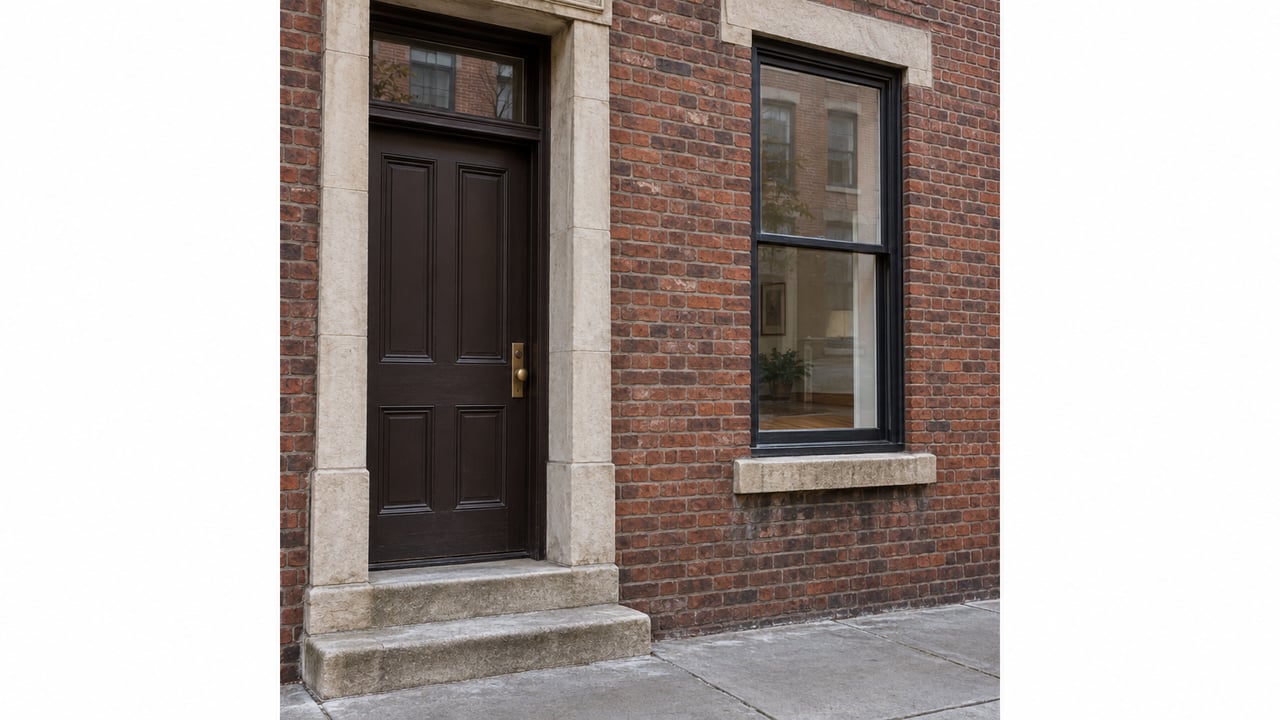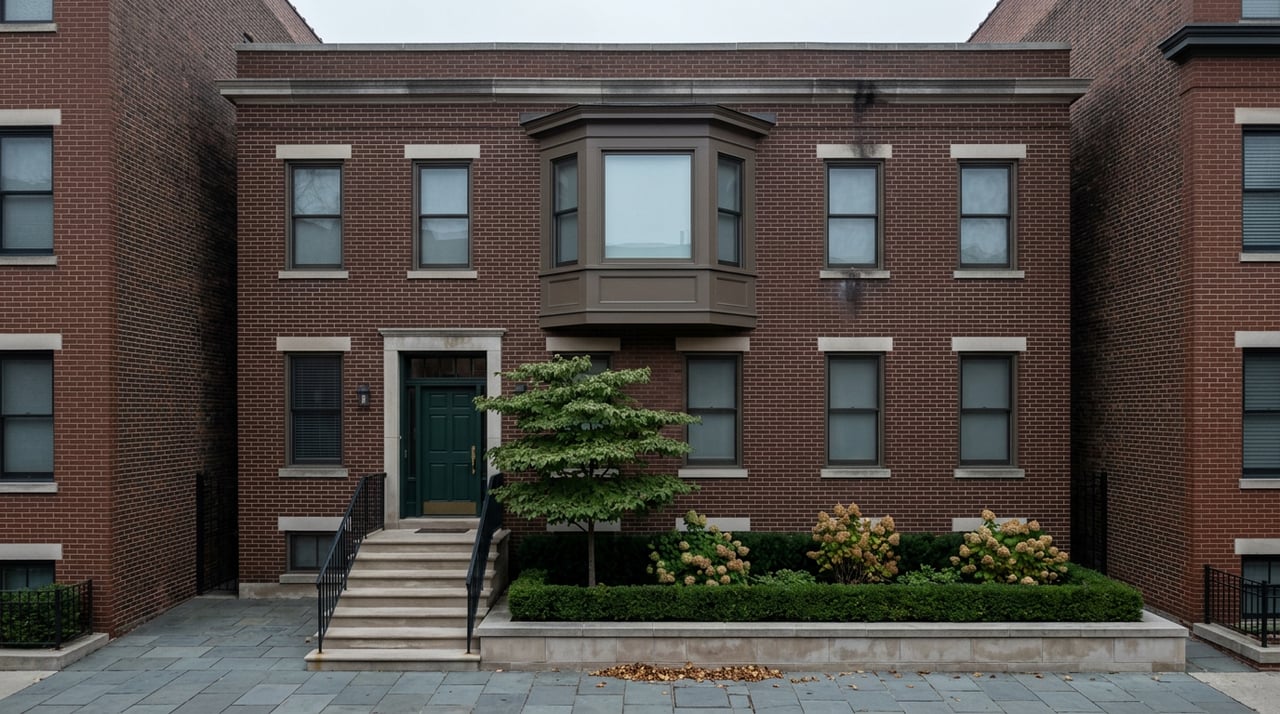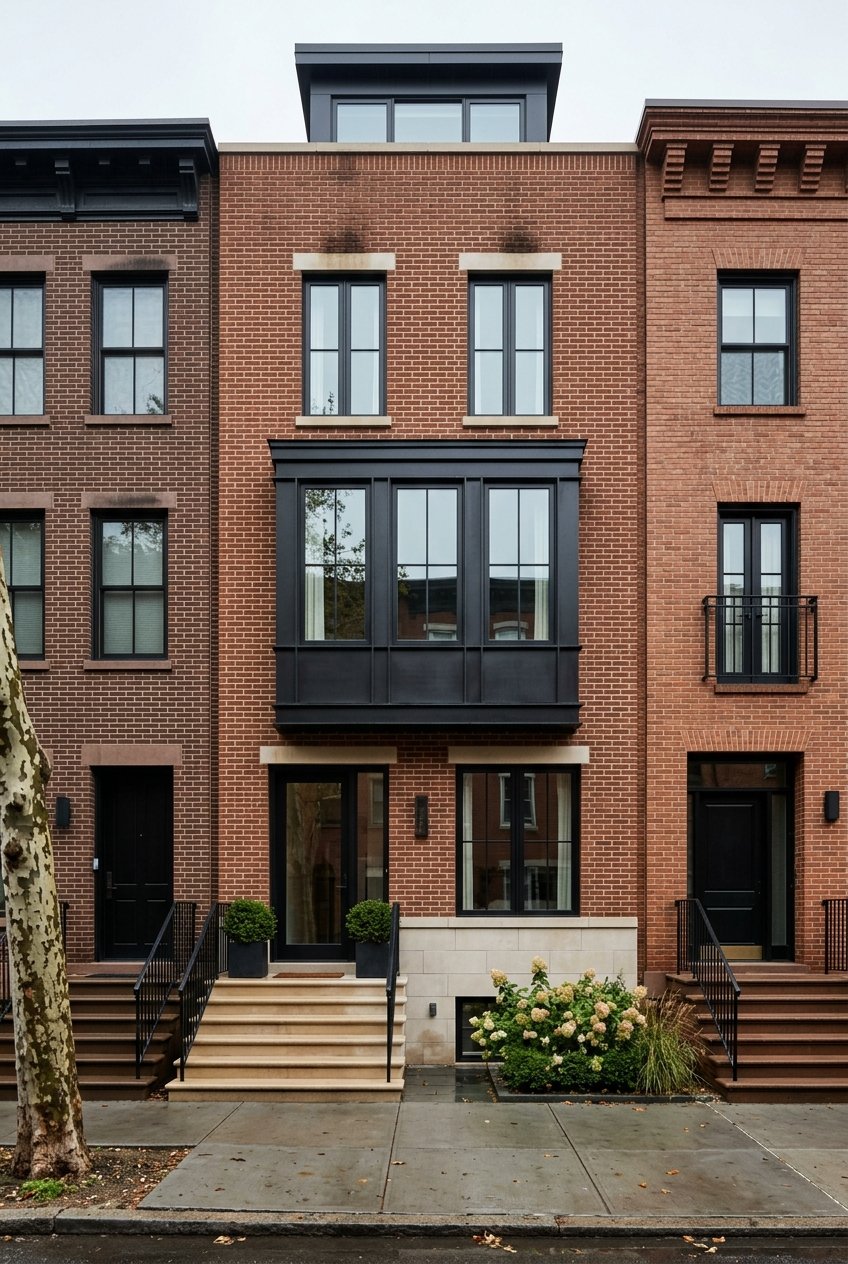
Looking for more space in Lincoln Park without making the leap to a detached house? That is exactly where townhomes tend to stand out. If you are weighing condo living against the cost of a single-family home, this guide will help you understand why Lincoln Park townhomes often function as the neighborhood’s version of the missing middle. Let’s dive in.
What “missing middle” means here
In planning terms, missing middle housing usually describes low-rise, multi-unit homes like townhouses, duplexes, and courtyard buildings. These homes sit between detached single-family houses and larger apartment buildings in both scale and feel.
By that definition, Lincoln Park townhomes fit the concept well. They are house-scale, often have private entrances, and usually offer a more residential layout than a condo while staying more compact than a detached home.
The catch is price. In Lincoln Park, the form may be missing middle, but the market position is often upper-mid to luxury because of the neighborhood’s land values and strong demand.
Why Lincoln Park townhomes fill a gap
Lincoln Park is a transit-rich, highly amenitized neighborhood, and that matters when you think about housing choice. Buyers are often looking for a practical middle ground: more privacy and usable space than a condo, but without the full price jump of a detached house.
Current Redfin data shows 12 townhouses for sale in Lincoln Park at a median listing price of $1.1 million. By comparison, Lincoln Park condos are listed at a median of $650,000, while the neighborhood’s all-home median sale price was about $702,500 in March 2026.
That spread helps explain the role townhomes play. They often act as a bridge product for buyers who want to move up from condo living but are not ready, or do not need, to buy a detached single-family home.
What Lincoln Park townhomes usually offer
One reason townhomes attract move-up buyers is that they are not all the same. Some feel close to a large condo with a private entrance, while others live much more like a single-family home.
Recent Lincoln Park examples show a familiar pattern. Many townhomes have 2 to 4 levels, a main living floor for kitchen, dining, and living space, a separate bedroom level, and either a lower-level flex room or upper-level outdoor area.
Across current and recent listings, common features include:
- Private entrances
- Attached garage parking
- Roof decks, decks, or patios
- Extra rooms for an office, den, or guest space
- Multi-level layouts that separate entertaining from sleeping areas
That variety is important if you are comparing options. A compact 2-bedroom townhome can solve different needs than a 4- or 5-bedroom home with several outdoor spaces and a larger garage.
Why layout matters more than bedroom count
When buyers compare Lincoln Park townhomes, bedroom count only tells part of the story. The real difference often comes from how the space is arranged.
A well-designed multi-level floor plan can make a 1,700-square-foot townhome feel more functional than a larger but less efficient home. Main-level living space, an extra flex room, and direct garage access can all change how the property works day to day.
If you work from home, host overnight guests, or want a separate space for hobbies or exercise, that bonus room can be a major advantage. In many Lincoln Park townhomes, that “extra” room is one of the features that makes the property feel like a true step up from condo living.
Fee simple or HOA? Know the legal setup
This is one of the most important things to understand before you buy. In Lincoln Park, the physical style of a home does not always tell you how ownership works.
Some townhomes are fee simple, which generally means you own the home and lot more directly and may have no monthly assessment. Others are part of a homeowners association or common interest community, where monthly dues help cover shared expenses.
Illinois law is clear that common interest communities can include attached or detached townhomes, and common expenses can include reserves. Illinois law also allows condominium boards to adopt special assessments under the Condominium Property Act.
That means you should not rely only on the listing label. A property may look like a classic townhome but still have condo-style governance, shared expenses, or association rules that affect your monthly cost and long-term planning.
What to review before buying a Lincoln Park townhome
Because ownership structures vary, due diligence matters. Two homes with similar square footage and finishes can carry very different ongoing costs.
Current Lincoln Park examples show some townhomes with no HOA, while others have monthly dues such as $175, $360, or $362. The monthly number matters, but what matters even more is what that fee covers and whether the association is financially prepared for future repairs.
Before you move forward, review:
- Whether the home is fee simple or association-controlled
- The current monthly assessment
- What the assessment covers
- Reserve levels and overall association financial health
- Any history of special assessments
- Rules that could affect use of outdoor space, rentals, or alterations
This is where a careful, neighborhood-focused review can save you from surprises. The goal is not just to understand today’s payment, but to understand the full carrying cost over time.
How townhomes compare to condos and houses
If you are trying to decide where a townhome fits in your search, this simple comparison can help.
| Home type | Typical advantage | Typical tradeoff |
|---|---|---|
| Condo | Lower entry price in Lincoln Park | Less privacy, less separation of space |
| Townhome | More space, private entry, garage potential | Higher price than a condo, ownership structure can vary |
| Detached house | Most privacy and house-like feel | Higher pricing and often a larger maintenance burden |
In Lincoln Park, townhomes tend to appeal to buyers who want more autonomy and square footage than a condo but still value a more manageable footprint than a detached home.
How Lincoln Park townhomes fit this market
Lincoln Park remains a competitive market. Redfin shows a neighborhood median sale price of $702,500 and 47 days on market in March 2026.
For townhouses specifically, Redfin shows 12 active listings at a median of $1.1 million. Its market summary also notes that most homes for sale in Lincoln Park stay on the market for 17 days and receive four offers.
That tells you two things. First, townhomes occupy a thinner slice of the market than condos, with less supply and a more targeted buyer pool. Second, strong presentation and pricing still matter because buyers at this level tend to compare value very closely.
What tends to stand out in softer or stronger cycles
Chicago REALTORS® describes 2026 as a recovery phase rather than a boom-or-bust year, with easing mortgage rates and gradually improving inventory expected to support more transaction activity. In that kind of market, well-positioned townhomes can remain attractive to buyers looking for a move-up option.
In Lincoln Park, the homes that tend to stand out are usually move-in ready and offer the features buyers associate with the category. That often means garage parking, outdoor space, and a layout with a practical extra level or flex room.
There is also a pricing reality to keep in mind. Because townhomes sit in a more premium niche and sometimes carry HOA costs, buyers can be especially sensitive to overall value when market conditions soften.
Who should consider a Lincoln Park townhome
A townhome can make a lot of sense if you have outgrown condo living but do not want the full jump to a detached house. That includes buyers who want more storage, easier parking, a better work-from-home setup, or outdoor space that feels more private.
It can also be a smart fit if you want a Lincoln Park address and a more house-like daily experience while staying in a product category that often lands below detached-home pricing. For many buyers, that is the real appeal.
In other words, Lincoln Park townhomes may be missing middle by form, even if they are not middle-market by price. They fill an important gap between convenience and space, and between condo living and single-family expectations.
If you are comparing Lincoln Park townhomes against condos or detached homes, the best next step is to look beyond list price alone. Layout, ownership structure, carrying costs, garage access, and outdoor space all shape long-term value. For data-backed guidance on which homes truly fit your goals, connect with Niko Apostal.
FAQs
What makes Lincoln Park townhomes part of the missing middle?
- Lincoln Park townhomes fit the missing middle idea because they are low-rise, multi-unit, house-scale homes that sit between condos and detached houses in form and function.
Are Lincoln Park townhomes cheaper than single-family homes?
- They often serve as a bridge between condo pricing and detached-home pricing, with current Lincoln Park townhomes listed at a median of $1.1 million versus condos at $650,000.
Do Lincoln Park townhomes always have an HOA?
- No. Some are fee-simple homes with no HOA, while others are part of an association with monthly dues and shared financial obligations.
What should buyers review before buying a Lincoln Park townhome?
- Buyers should confirm the ownership structure, review monthly assessments, understand what the fees cover, and examine reserves and any risk of special assessments.
What features are common in Lincoln Park townhomes?
- Common features include private entrances, attached garage parking, multi-level layouts, outdoor space like roof decks or patios, and extra rooms that can work as offices or guest areas.
Are Lincoln Park townhomes a good move-up option from a condo?
- For many buyers, yes. They often offer more privacy, more functional space, and a more house-like layout without requiring the full step up to detached-home ownership.