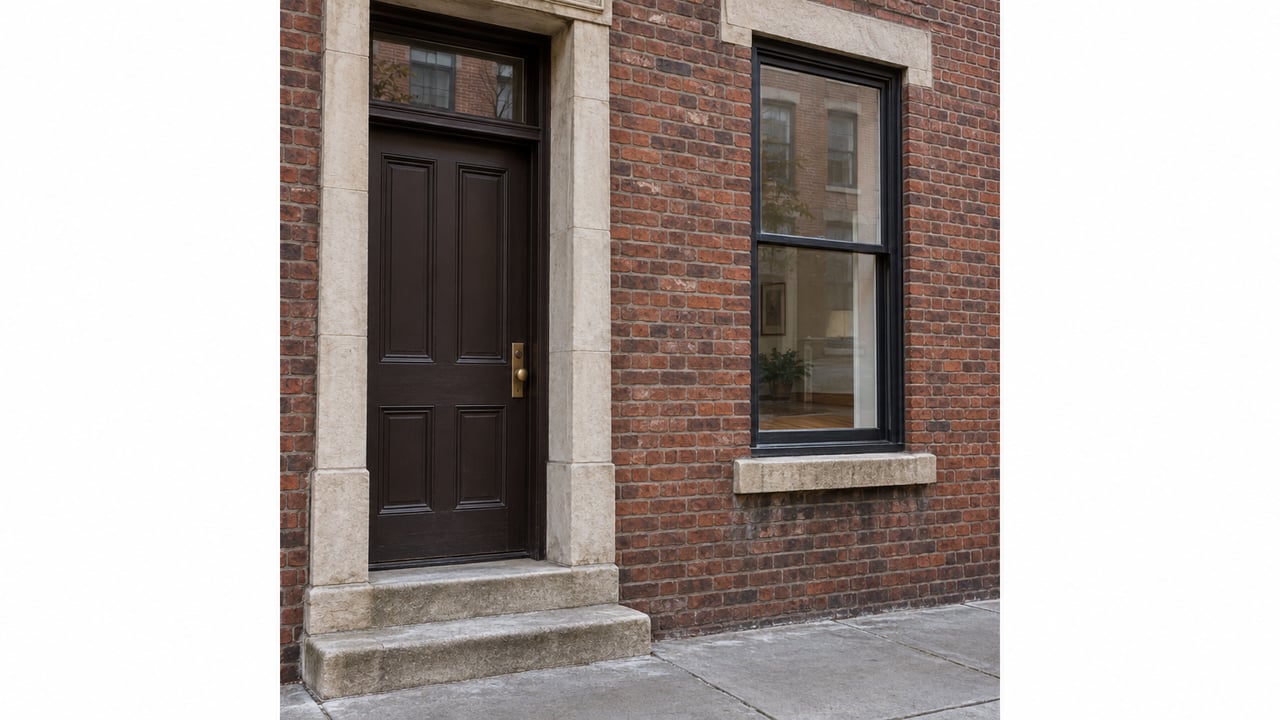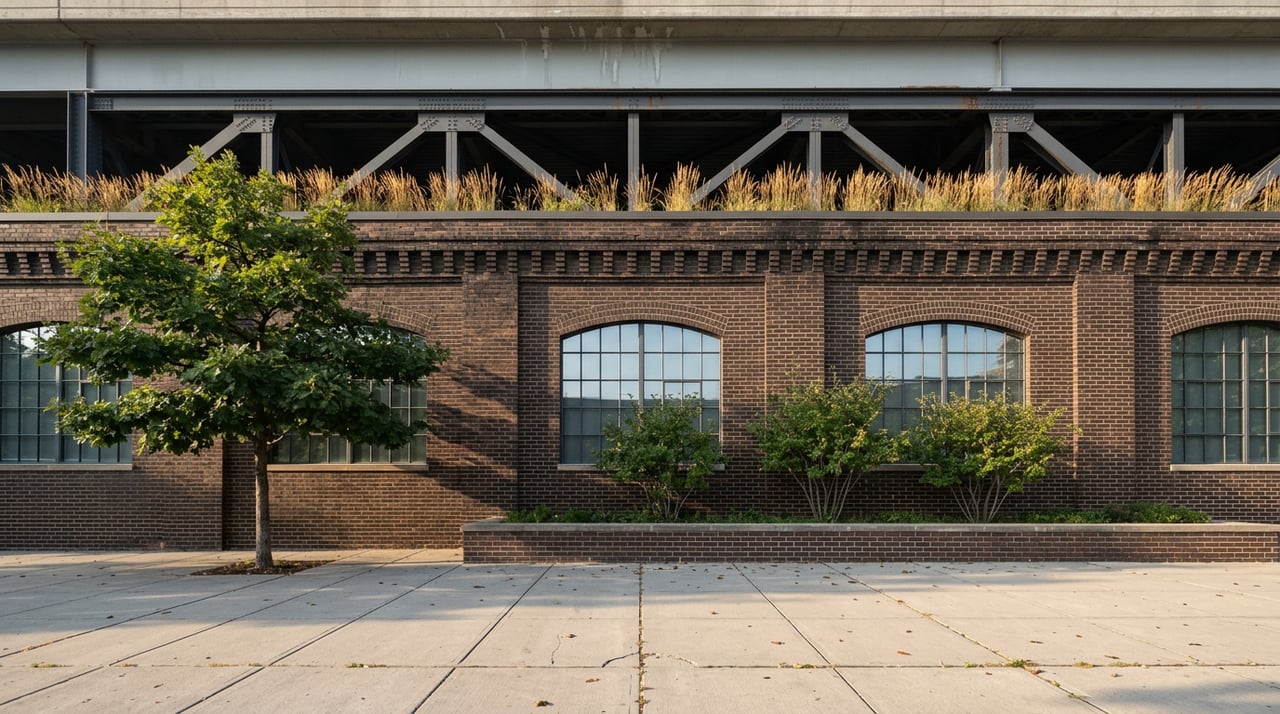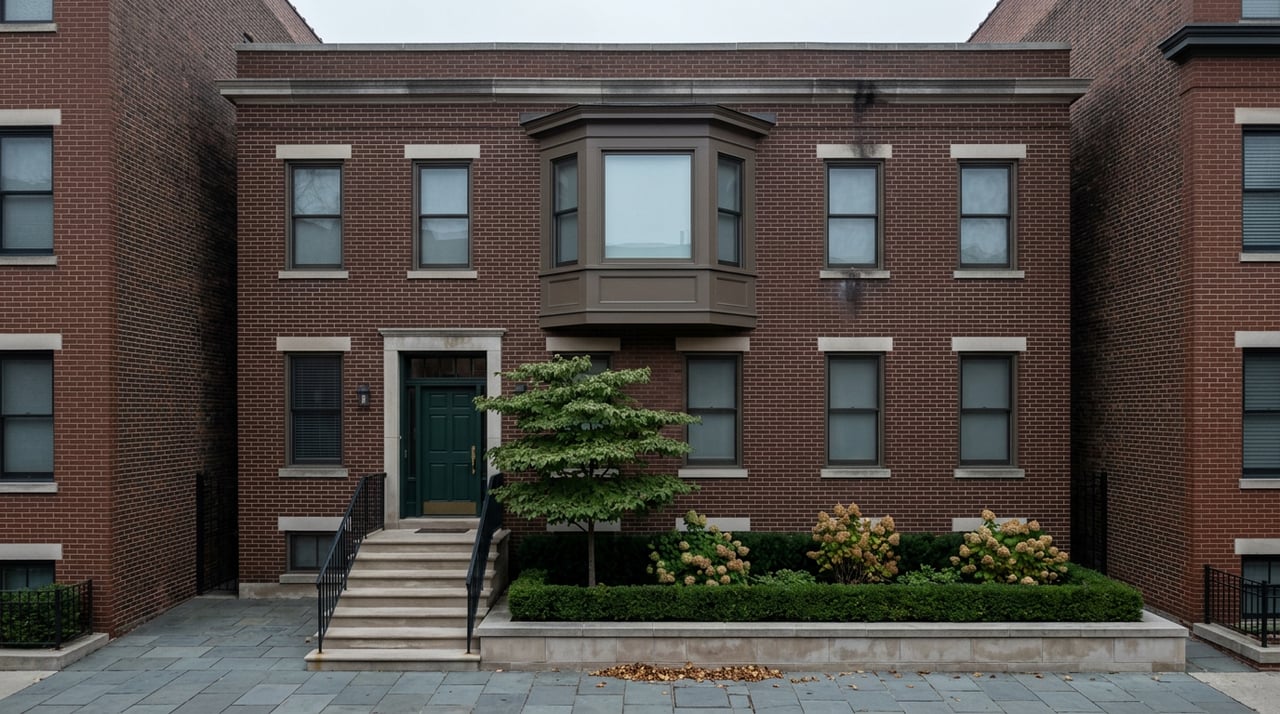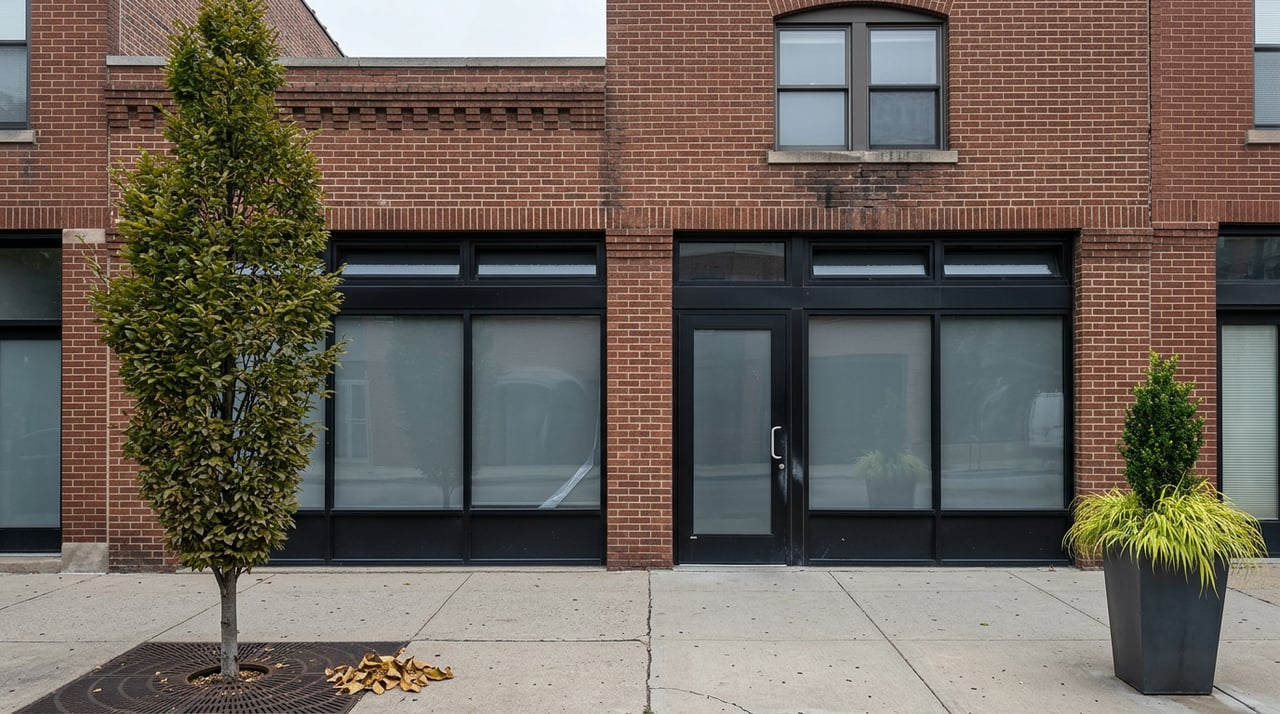
Walk Southport Avenue between Belmont and Irving Park this month and you'll pass at least four storefronts mid-transition. Scaffolding wraps the future home of Colectivo Coffee, still finishing a structural rebuild before its summer reopening. Paper covers the windows where Dr. Martens used to be, ahead of a Reformation buildout. A jewelry store called HYOU is taking shape at 3530 N. Southport. And a Pilates studio, the Australian fitness brand STRONG's first Southport Corridor location, has already opened its doors, having welcomed its first class on June 6.
None of these spaces sat vacant for long. That's the actual story here, not the turnover itself.
The easy read on all this change is that Southport is somehow unsettled, one storefront after another swapping identities like the street can't make up its mind. The numbers say the opposite. Commercial vacancy along Southport between Addison and Roscoe has been running at roughly 1.6 percent this summer, among the lowest rates of any boutique retail corridor in the city. A corridor that empty of empty space doesn't have room for a business to fail quietly and sit dark for a year. When something turns over, whoever's next in line moves fast, because there's nowhere else on the strip to wait.
That's worth sitting with if you've noticed the same four blocks changing character every few months and wondered whether that's a good sign or a warning sign. Near-zero vacancy paired with constant tenant movement is what a corridor looks like when demand outpaces the available square footage, not when it's struggling to hold onto tenants.
The Pipeline Behind the Storefronts
The retail turnover isn't happening in isolation. At the northwest corner of Southport and Addison, a four-story building is moving through the approval process to replace a long-vacant former drive-through bank and its surface parking lot. The project, designed by local firm Jonathan Splitt Architects, pairs a darker ground-floor storefront expression in black-framed glass with red brick above, a deliberate nod to the corridor's older building stock. It would add ten residential units and roughly 6,250 square feet of new retail to a street that, per that vacancy number, has almost none to spare.
A few blocks north, a 99-unit apartment development at 3233 N. Sheffield cleared another step forward following a $6.25 million property sale. And the appetite isn't confined to Southport. Over on Halsted, a four-story mixed-use proposal at the corner of Halsted and George would replace the one-story building and rear patio currently occupied by George Street Pub. Near the Belmont Red Line stop, a demolition permit has been issued for the former Ann Sather restaurant building on Belmont Avenue, clearing land for the second phase of a mixed-use project by the station.
None of these projects are Southport-specific quirks. They're the same signal showing up on three different streets: developers betting that Lakeview's commercial corridors can absorb more retail and more residents than currently exist, because what's already built isn't sitting empty either.
Gallagher Way Runs Every Week, Not Just on Game Nights
The same tightness shows up in how residents actually spend a Thursday. Gallagher Way, the open-air plaza on the west side of Wrigley Field, was built as part of the ballpark's multi-year 1060 Project renovation and surrounded by chef-driven restaurants and Hotel Zachary. It was designed from the start to be more than a staging ground for people heading into a game, and this summer that design choice is doing real work.
The Wrigleyville Night Market runs select Thursdays from 4 to 8 p.m., May 14 through September 10, with local vendors, specialty food, and live music, no ticket and no baseball interest required. The plaza's free outdoor movie series has been running since May, with $5 chair rentals covering the only cost, and its summer lineup has included Zootopia 2 in June and Black Panther in late July, with Happy Gilmore up next on August 26. Morning fitness classes fill the plaza on weekday mornings throughout the season.
If you've stopped checking the Cubs schedule before making plans near Clark and Addison, that's not you missing the point of Gallagher Way. That's the plaza doing exactly what it was built to do for the people who live above it, not just the people passing through for a game.
Broadway Closes to Cars Because the Sidewalks Can't Hold Everyone
A few blocks east, the same logic applies to Dine Out on Broadway, back for its sixth season in 2026. The event started in 2020 as a way to help local restaurants operate through pandemic restrictions and stuck around because it worked. Broadway closes to traffic between Belmont and Wellington for three weekends of outdoor dining, with access to the Mariano's parking garage kept open so grocery runs aren't part of the tradeoff.
The Lakeview East Chamber of Commerce produces Dine Out on Broadway, and it's the same organization behind the run of festivals that close out the season. That's not a coincidence worth glossing over. It's one group managing a calendar that has to fit an unusual amount of activity into a short stretch of blocks.
A corridor with no vacancies and a calendar with no open weekends is the same story told twice.
The Festival Calendar Is Stacking, Not Spreading Out
That calendar crunch becomes obvious once you line up the dates. Northalsted Market Days, the largest street festival in the Midwest and a fixture since 1980, just wrapped on August 7 through 9, drawing an expected 200,000 people to a six-block stretch of Halsted. Two weeks later, the Southport Corridor hosts its own tradition when Lakeview Taco Fest returns for its 13th year.
| Event | Dates | What's There |
|---|---|---|
| Northalsted Market Days | Aug. 7-9 | Six blocks of Halsted, four stages, roughly 200,000 attendees |
| Lakeview Taco Fest | Aug. 21-23 | Southport Corridor, dozens of taco vendors, two music stages |
| Lakeview East Festival of the Arts | Sept. 19-20 | More than 125 juried artists, an estimated 45,000 attendees |
| Oktoberfest Chicago | Sept. 25-27 | Lakeview |
| WingOut Chicago | Sept. 26-27 | Lakeview, overlapping with Oktoberfest weekend |
Look at the last two rows. Oktoberfest Chicago and WingOut Chicago land on the same weekend at the end of September, in the same neighborhood, a few blocks apart. That's not an oversight. It's what happens when a chamber has more programming worth running than it has open weekends left before the weather turns. The Lakeview East Festival of the Arts, which has been ranked the top fine art festival in the city and second in the state by a national arts-fair guide, gets its own weekend the week before, because there genuinely isn't room to double it up with anything else.
What "No Vacancy" Actually Means Here
None of this is really about tacos or Pilates studios or a plaza built next to a ballpark. It's about what it looks like when a neighborhood has more demand, for storefronts, for weekend programming, for a Thursday evening slot, than it has supply to meet it comfortably. Southport's vacancy rate and the festival calendar's back-to-back September weekends are two versions of the same underlying condition.
If you live here, that's probably matched your own experience of the last few months better than a straightforward events roundup would. You've felt the calendar getting tighter and noticed the same four storefronts changing hands without ever staying dark. Both are the same neighborhood, operating close to its own capacity.
That kind of tightness doesn't stay confined to storefronts and festival weekends forever. It tends to show up eventually in how a block's homes get valued, too. If you're curious what that pressure looks like translated into your specific property, NiKo Collaborative has spent years reading Lakeview's blocks, not just its listings. Request a Home Valuation whenever you're ready to see what the number looks like today.