Thinking about house-hacking or growing your portfolio with a small multifamily in Logan Square? You are not alone. The neighborhood’s energy, transit access, and classic Chicago flats keep demand steady for well-run 2–4 unit properties. In this guide, you will learn where the numbers tend to work, what building types to expect, how to pull the right levers on rent, and what due diligence steps protect your upside. Let’s dive in.
Why Logan Square works for 2-4 units
Logan Square blends strong lifestyle amenities with practical rentability. You have the Blue Line to downtown and O’Hare, the 606/Bloomingdale Trail, and a dense local retail and dining scene. That mix supports consistent interest from renters who want an urban neighborhood with easy transit.
Blocks close to Milwaukee Avenue, Blue Line stations, and parks often lease faster and at stronger rates. This is a block-by-block market. Small shifts in location, finishes, parking, and outdoor space can move your numbers.
Market snapshot: prices and rents
The market has stayed active. According to Redfin’s Logan Square market snapshot, the neighborhood’s median sale price was about $610,000 as of January 2026. Inventory and competition vary by building condition and proximity to core corridors.
On the rental side, Zumper’s rent data for Logan Square shows average monthly rents in the low $2,000s. A recent average near $2,056 can help you sketch initial income assumptions for updated 1- and 2-bedrooms. Always verify current comps on the exact block and unit type before you underwrite.
What you will find: building types
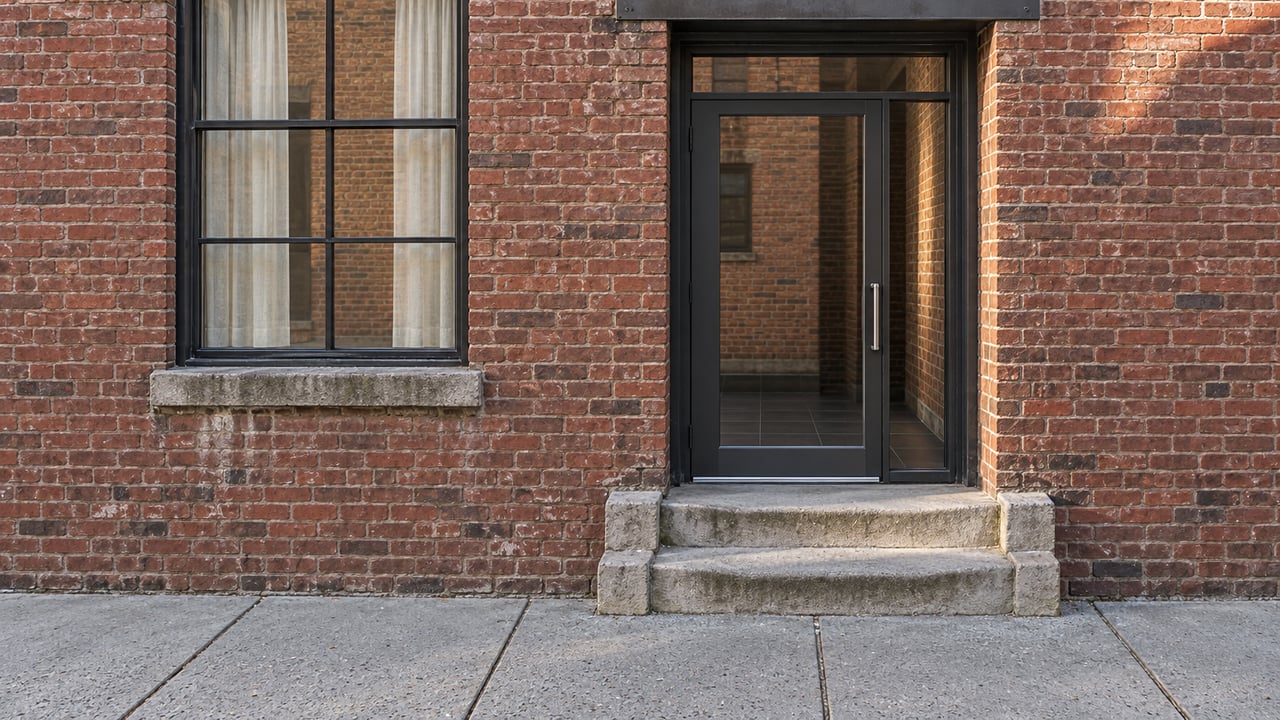
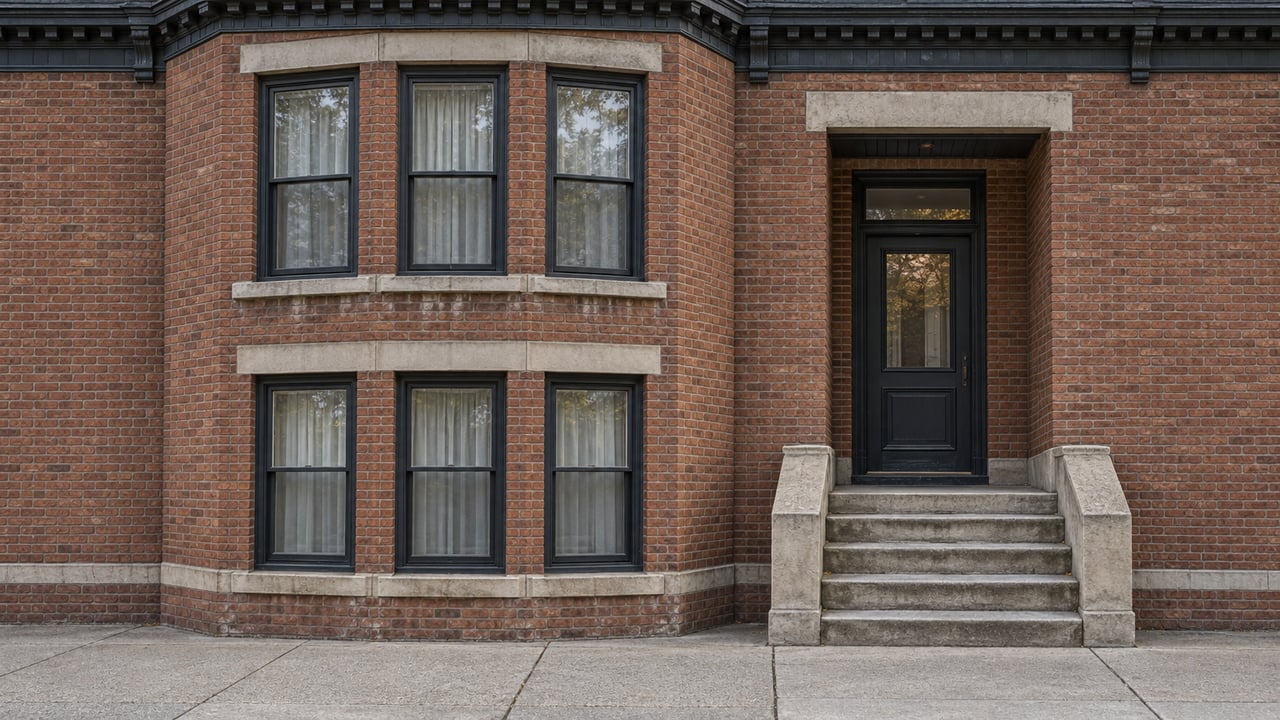
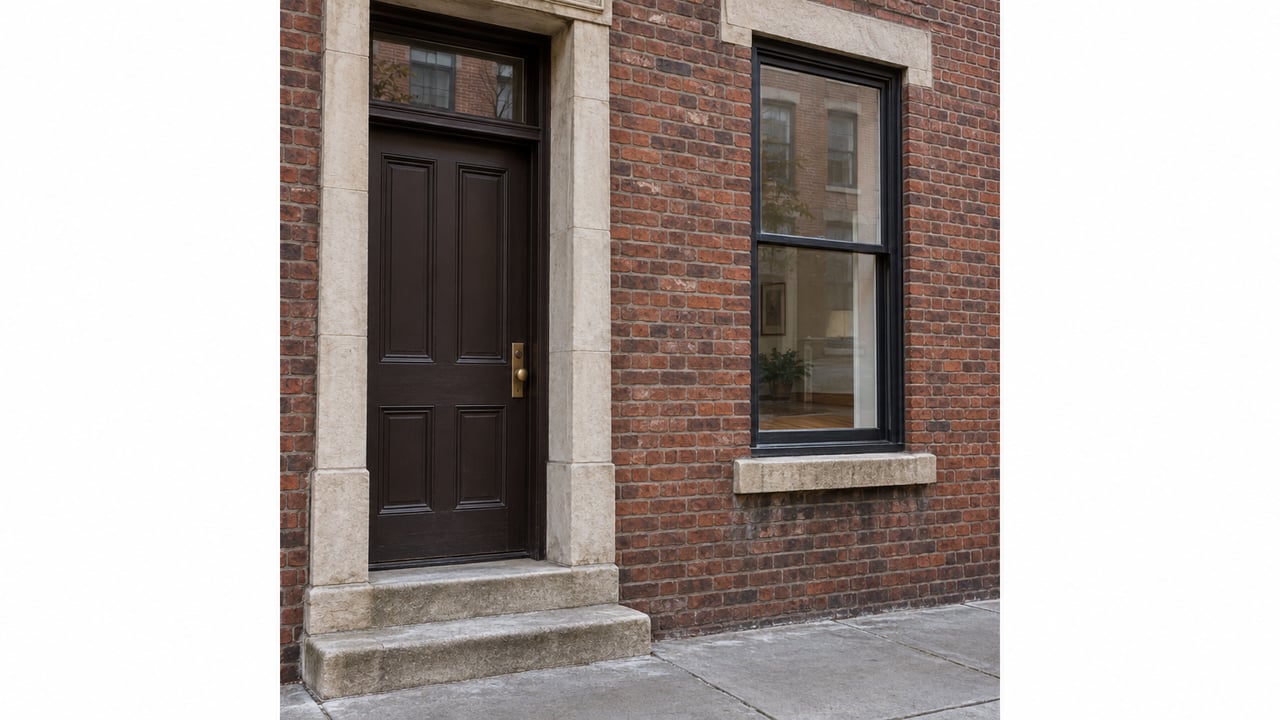
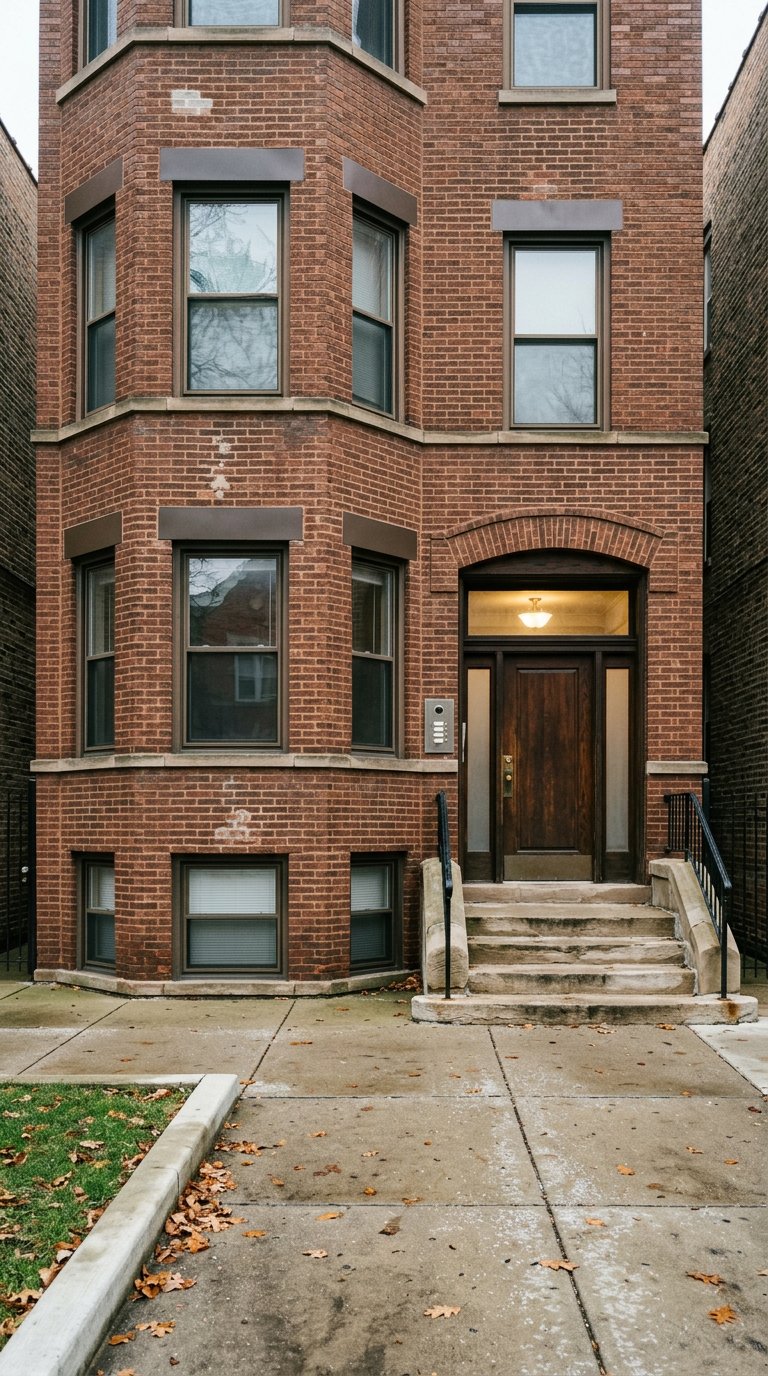
You will see a lot of vintage Chicago two-flats and three-flats, often brick or greystone with stacked layouts. The stock ranges from late 19th to early 20th century construction, with porches, bay windows, and occasional garden units. For a primer, explore the two- and three-flats overview from the Chicago Architecture Center.
Many lots follow the typical 25 by 125 foot pattern. That affects expansion options, parking, and how you evaluate garden or coach-house plays. Layouts vary widely. Condition and floor plan drive renovation scope and cost more than the facade style.
Zoning and ADU rules to confirm
Zoning controls what you can build, add, or legalize. Chicago’s RT and RM districts govern density, minimum lot area per unit, and bulk limits. Before assuming you can add a unit or convert space, confirm the exact zoning district and permitted unit count. The Chicago Zoning Code reference outlines how RT and RM categories differ.
Accessory Dwelling Units remain ward sensitive and rule specific. Chicago’s ADU policy began in pilot zones and has evolved. If your deal depends on a garden-unit legalization or a coach house, review the current ordinance and local ward policy. A helpful backgrounder on the pilot period is this overview from Elrod Friedman on Chicago’s ADU program. Always validate the latest rules and permit path before you underwrite an ADU.
What raises rents in Logan Square
Unit-level features drive rent in this amenity-sensitive market. You can usually improve income with:
- Proximity to Milwaukee Avenue, the Blue Line, or the 606 trail.
- Modern kitchens and baths, in-unit laundry, and added bathrooms.
- Private outdoor space like a rear porch or roof deck.
- Assigned or off-street parking, plus separate gas and electric meters.
Small differences matter. Updated finishes and in-unit laundry often pay for themselves through faster leasing and lower vacancy, not just higher rent.
Renovation plays that pencil
Cosmetic refresh for fast rent lifts
Kitchen and bath updates, fresh paint, lighting, and flooring are reliable, time-bound ways to lift rent. In older flats, plan for hidden surprises like masonry repairs, uneven subfloors, or outdated electrical. Build a short list of proven contractors and price contingencies conservatively.
Legalize a basement or add an ADU
If allowed, converting an underused basement or garden space into a legal unit can add meaningful cash flow at a midrange cost. Watch code items like egress, ceiling height, and waterproofing. Lenders rarely finance illegal units, so confirm prior permits and your path to legalization early.
Reconfigure layouts and laundry
Tweaks like adding a second bath or creating an extra bedroom can boost income on family-friendly blocks. Plumbing stacks and structural constraints can raise costs, so weigh rent gain against capex. In-unit laundry is a dependable value-add when space and venting allow it.
Envelope and mechanicals that pass lender tests
Roofs, tuckpointing, windows, boilers, and HVAC are frequent deal killers if deferred. Expect your lender and insurer to flag outdated systems. Budget reserves for near-term capital items and line up vendors who can provide quick quotes during attorney review.
Permits, inspections, and insurance
Any work that changes egress, plumbing, or adds a unit needs permits and inspections. Illegal units can delay or derail financing. Build permit timelines and contingency language into offers, and get insurance quotes early since older multifamily can carry higher premiums.
Underwriting and financing basics
Key metrics to guide your model
- Gross Potential Rent: total market rent if fully leased.
- Vacancy and concessions: subtract a realistic vacancy rate.
- Net Operating Income: GPR minus vacancy and operating expenses.
- Cap Rate: NOI divided by purchase price.
- DSCR: NOI divided by annual debt service.
- Cash-on-Cash: (NOI minus debt service) divided by cash invested.
Run a five-year cash flow with sensitivity around rent growth, vacancy, interest rates, taxes, and insurance. In Logan Square, seasonality can affect lease-up timing, especially for smaller units. Budget for turnover and refresh costs.
Financing paths for 2-4 unit buyers
Owner-occupants can consider FHA financing for 1-4 units, with minimum down payments often cited at 3.5 percent for eligible borrowers. Check current county limits on the HUD loan limits lookup before you set your search bracket.
Conventional financing has improved for owner-occupied small multifamily. DU updates in late 2023 enabled 95 percent LTV for many conforming 2-4 unit primary purchases, subject to lender overlays. See a lender bulletin summary of this change from REMN Wholesale on 2-4 unit LTV limits. Discuss details with a local lender who actively closes small multifamily.
Investors who will not occupy a unit often use portfolio or DSCR loans. These products rely more on property cash flow than personal income. Expect higher rates, larger down payments, and stricter DSCR thresholds. Your exit plan and timeline should reflect those terms.
Taxes, operating costs, and risk flags
Cook County property taxes can shift your returns. Use your parcel PIN on the Cook County Assessor’s site to review assessed value, exemptions, and the triennial cycle. Model tax sensitivity and consider how reassessment could affect pro forma returns.
Watch for these red flags:
- Informal or unpermitted garden units.
- Near-term capital needs like a failing roof or boiler.
- Block-specific ADU or zoning limits that constrain your plan.
- Insurance cost surprises on older masonry buildings.
As a landlord in Chicago, you must comply with the city’s Residential Landlord and Tenant Ordinance. Review a plain-English summary at Illinois Legal Aid on the Chicago RLTO so your leases, deposits, and notices align with local rules.
Street projects to watch now
Public-realm upgrades can shape foot traffic, noise, and short-term leasing dynamics. The Milwaukee Avenue and Logan Square redesign, including a new plaza, is one to watch. Review timing and possible disruptions in this Axios report on the Logan Square construction and plaza plan. If you plan a heavy renovation, align your lease roll and capex schedule with the project timeline.
Step-by-step due diligence checklist
Confirm zoning and unit legality. Verify the district, permitted density, and any recorded variances. Start with the Chicago Zoning Code reference.
Verify income and expenses. Collect actual rent rolls, leases, and utility bills. Compare line by line with current neighborhood comps on the same block and unit type.
Order a full inspection. Prioritize structure, roof, masonry, porches, windows, electrical service, plumbing, and HVAC. Ask your inspector to flag any evidence of illegal units or unpermitted work.
Model property taxes. Pull assessed values, understand the triennial cycle, and apply exemptions correctly through the Cook County Assessor. Run best and worst cases in your pro forma.
Map your permit path. If you plan an ADU or garden-unit legalization, speak with a zoning attorney or DOB plan examiner. The Elrod Friedman ADU overview provides useful context. Do not assume an informal unit can be legalized.
Get financing aligned. Secure pre-approval with a lender who regularly closes 2-4 unit deals. Confirm how rental income will be counted, FHA versus conventional, and how DU or LP treats your scenario. Check loan size against the HUD loan limits lookup.
Price insurance early. Older multifamily can carry higher premiums or exclusions. Request replacement-cost estimates and confirm requirements like electrical upgrades and porch safety.
Work with a neighborhood-first advisor
If you want a small multifamily that performs, pair data with block-level judgment. Logan Square rewards careful underwriting, realistic rent comps, and a smart scope that balances cosmetic wins with long-lived systems. A local team can help you evaluate zoning, pull the right vendor quotes fast, and structure offers that hold up through attorney review and appraisal.
You get that depth with NiKo Collaborative. Our team brings neighborhood insight, valuation experience, vetted vendor referrals, and mortgage tools to help you go from interest to income with confidence. If you are ready to explore Logan Square 2-4 unit options, connect with Niko Apostal to map your strategy.
FAQs
What makes Logan Square attractive for small multifamily investors?
- Transit access, strong amenities, and vintage two- and three-flats support steady renter demand and practical value-add options for updated units.
How much do Logan Square 2-4 unit buildings cost today?
- Redfin reports a median sale price near $610,000 for the neighborhood, though pricing varies by block, condition, and unit count.
What rents should I underwrite for updated 1-2 bedroom units?
- Zumper data shows average rents in the low $2,000s, but you should confirm comps on the same block and adjust for finishes, laundry, parking, and outdoor space.
Can I legalize a garden unit or add a coach house in Logan Square?
- It depends on current ADU rules and ward policy; confirm zoning, eligibility, and permit requirements before underwriting any add-unit plan.
What financing options exist for owner-occupants buying 2-4 units?
- FHA may allow as low as 3.5 percent down, and some conventional lenders offer around 5 percent down for conforming loans, subject to overlays and DU rules.
Which risks derail deals on vintage Chicago two-flats?
- Unpermitted units, failing roofs or boilers, tax reassessment jumps, and insurance issues on older systems commonly disrupt financing and post-close cash flow.