Thinking about a Lake View condo and wondering what that monthly assessment really covers? You are not alone. In a neighborhood with vintage walk-ups and amenity-rich mid-rises, the fee can vary widely and so can the risks behind it. In this guide, you will learn what assessments fund, how reserves and special assessments work, what to read in budgets and disclosures, and how lenders view association finances. You will also get a clear checklist to protect yourself before you buy. Let’s dive in.
What your Lake View assessment covers
Your monthly assessment funds the building’s shared costs and a planned contribution to reserves. Common items include:
- Common-area utilities and services like lighting, water in master-metered buildings, trash, and snow removal.
- Building maintenance and repairs for roofs, masonry, elevators, and landscaping.
- Management fees and staffing where applicable, such as a manager or door staff.
- Insurance for common elements under the master policy.
- Contracted services such as security, pest control, and HVAC service.
- Amenities like gyms, pools, or community rooms.
- A budgeted contribution to the reserve fund for future capital projects.
Assessments are separate from your mortgage and separate from property taxes. Property taxes are billed by Cook County based on assessed value and are not part of the condo’s operating budget.
Reserves vs. operating costs
The reserve fund is money set aside for major, predictable projects that do not belong in day-to-day expenses. Think roof replacement, façade and tuckpointing, elevator modernization, garage repairs, boilers, and HVAC systems. Healthy reserves reduce the chance of a surprise bill.
Associations use reserve studies to estimate component life and replacement costs and to plan contributions. Industry guidance encourages regular reserve studies, typically updated every few years, and annual budget updates that fund the plan.
Special assessments explained
A special assessment is a one-time charge to unit owners when current income and reserves are not enough. Triggers include:
- Deferred maintenance that can no longer wait, like masonry, roofs, or waterproofing.
- Emergencies such as a failed boiler or elevator, or a structural issue.
- Planned capital upgrades when reserves fall short.
Your building’s declaration and bylaws set who can approve a special assessment and when owner votes are required. Some boards can approve within limits; larger assessments may need owner approval. If a special assessment is approved before you close, it typically appears on the resale certificate and becomes part of the contract negotiation.
How assessments are set in Illinois
In Illinois, the board of directors prepares and approves the annual budget and sets assessments in line with the association’s governing documents and the Illinois Condominium Property Act. The budget process usually includes:
- Drafting expected operating expenses for the year and the reserve contribution.
- Setting assessments so projected income matches those expenses.
- Notifying owners per the procedures in the governing documents.
Documents to request before you buy
Ask for these documents early in your contingency period. They help you and your lender understand the association’s health:
- Declaration, bylaws, and rules. Focus on assessment powers, special assessment approval, and reserve policies.
- Current year budget and the prior 2 to 3 years of budgets.
- Recent financials and treasurer’s report, showing income, expenses, and reserve balances.
- The most recent reserve study and current reserve fund balance.
- Resale or estoppel certificate with current assessment amount, any unpaid assessments, any approved special assessments, and transfer fees.
- Board meeting minutes from the last 12 to 24 months.
- Master insurance summary and certificates, including coverage limits and deductibles.
- Delinquency report or summary indicating owners who are behind.
- Any notices of pending litigation or significant code issues.
What to read in the numbers
Use this checklist to spot strengths and risks in a Lake View building:
- Reserve health. For older buildings, a very low reserve balance is a red flag, especially if big projects are due.
- Reserve contributions. A budget with little or no reserve contribution often points to future special assessments.
- Assessment trend. Frequent increases above normal inflation deserve an explanation, like higher insurance or major repairs.
- Delinquency rate. If a large share of owners is behind, the association may face cash-flow stress. Rates around 10 percent or higher are commonly cited as concerning, though lender criteria vary.
- Special assessments. Look for any approved or proposed items in the disclosure package and minutes.
- One-time income. Be wary if the budget depends on short-term income to fill gaps.
- Litigation or code issues. These can signal risk and future cost.
Lending and insurance checkpoints
Condo mortgages involve a project review. Lenders look at budgets, reserves, owner-occupancy mix, single-entity ownership, delinquencies, and whether any large special assessments are approved. Low reserves or frequent special assessments can trigger extra questions or conditions. Share the documents above with your lender early so surprises do not delay closing.
On insurance, the association’s master policy covers common elements with specific limits and deductibles. You will still need an HO-6 policy for interior unit elements, personal property, and loss assessment coverage. A high master policy deductible can lead to owner charges after a covered loss, so understand those terms.
Lake View building types to evaluate
Lake View has a wide mix of buildings, which influence assessments and risk:
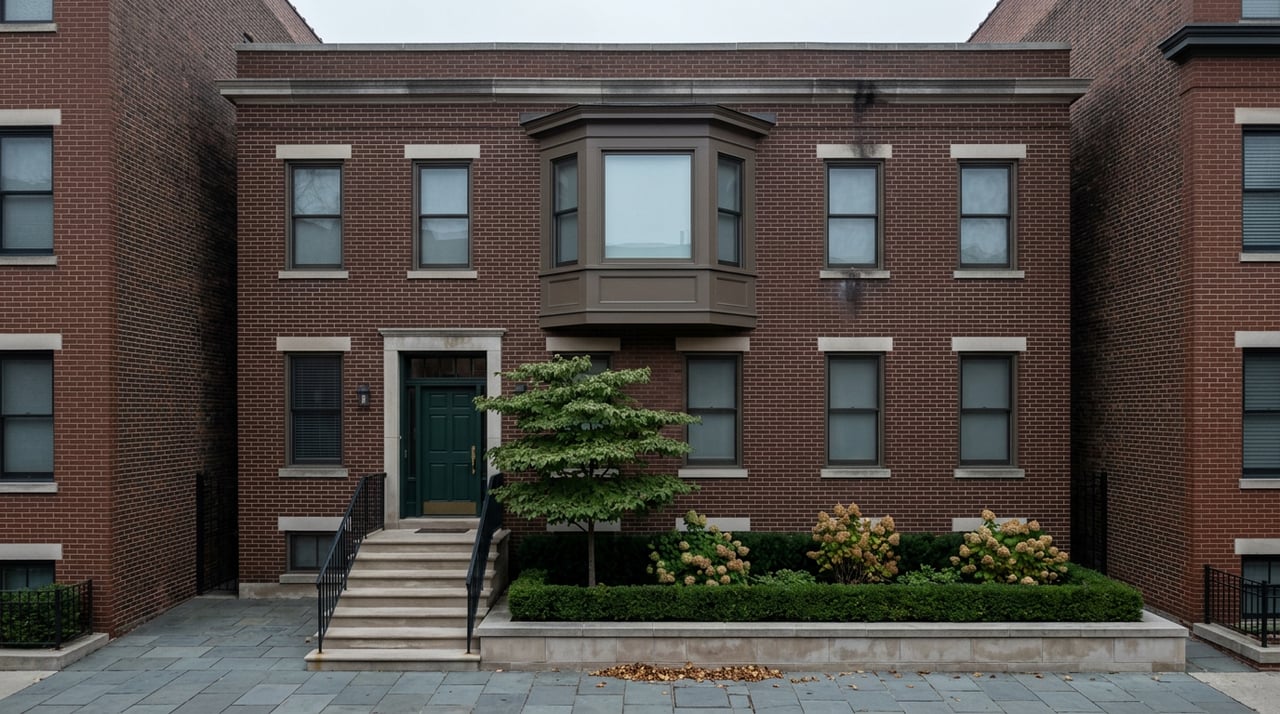
- Vintage walk-ups. Smaller associations and older systems can mean upcoming roof, window, or façade work. Reserves may be tighter, so read the reserve study and minutes closely.
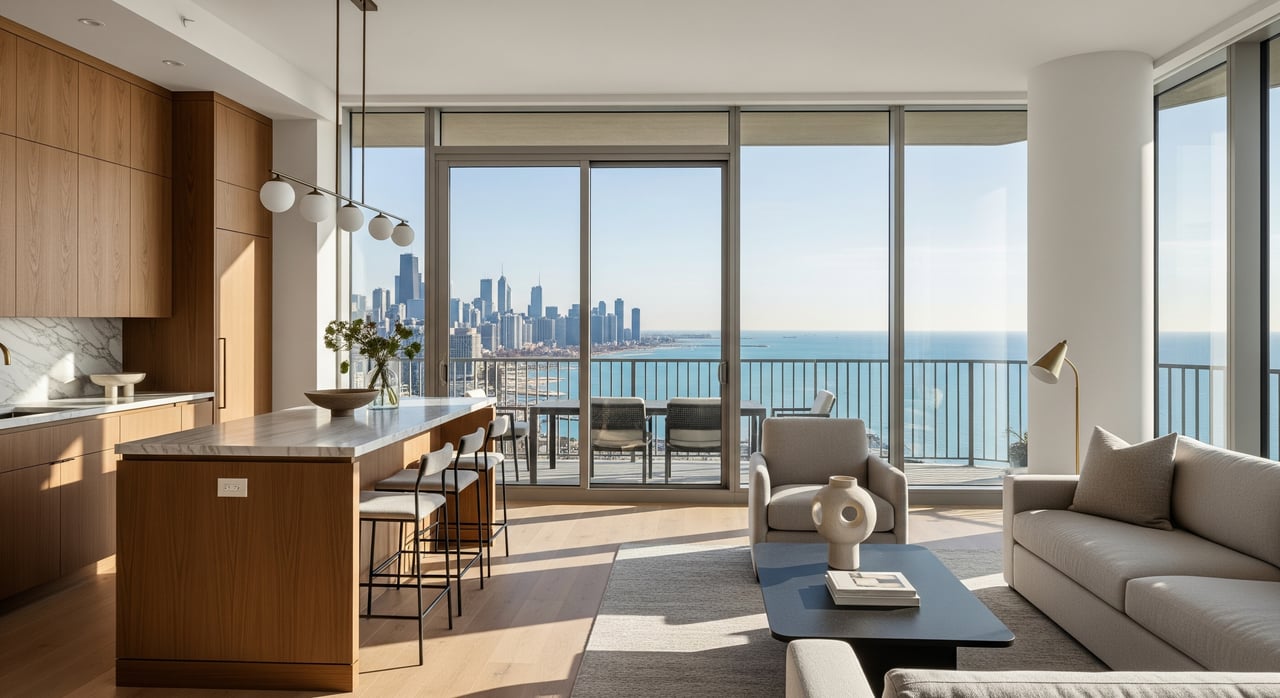
- Amenity mid-rises. Door staff, gyms, and pools create steady operating costs. Assessments may be higher, but management is often more professional with predictable budgets. Verify that reserves cover major systems like elevators and pools.
- Mixed-use buildings. Commercial tenants can affect budgets and risk. Ask how expenses are allocated and whether any rent supports the operating budget.
Negotiation playbook for buyers
You can manage risk with smart contract terms and clear asks:
- Make your offer contingent on a satisfactory review of the resale certificate, budget, financials, and minutes.
- Require sellers to pay any outstanding regular or special assessments listed on the resale certificate as of contract date.
- If a large special assessment is looming, request a price reduction or closing credit.
- If your lender flags a concern, ask your attorney about options such as a holdback or escrow to address a specific, identified risk.
A simple due diligence timeline
- Week 1: Request the resale or estoppel certificate and all governing documents with your offer. Share them with your attorney and lender.
- Week 1–2: Review the budget, financials, reserve study, and minutes. Draft follow-up questions for the seller and association.
- Week 2: Confirm master policy coverage and deductible. Bind an HO-6 quote with loss assessment coverage.
- Week 2–3: Resolve open items and negotiate credits if needed. Confirm lender approval of the project.
Assessments vs. property taxes
It is easy to mix these up. Condo assessments are your share of the association’s operating costs and reserves. Cook County property taxes are billed separately based on the county’s valuation of your unit. Your lender may escrow taxes, but that has nothing to do with the association’s monthly assessment.
Work with a local guide
Reading budgets and minutes takes practice. In Lake View, building age, systems, and past maintenance decisions matter as much as location. Our team reviews disclosures with you, flags risk, and coordinates with your attorney, lender, and inspectors. When you are ready to buy with more confidence, connect with Niko Apostal for a consult.
FAQs
Who sets monthly condo assessments in Lake View?
- The board of directors sets the annual budget and assessment level under the Illinois Condominium Property Act and the association’s governing documents.
What happens if a special assessment is approved during my purchase?
- Responsibility depends on timing and your contract. If approved before contract, sellers often pay; if approved later, your attorney will negotiate who covers it.
How much in reserves is enough for a Lake View building?
- There is no single number. A recent reserve study that lists components, useful life, and funding needs is the best indicator of adequacy.
Can low reserves or high delinquencies affect my mortgage?
- Yes. Lenders review project health, including reserves and delinquencies, and may require more documentation or impose conditions.
Are monthly condo assessments tax-deductible for my primary home?
- Generally no for a primary residence. Portions tied to capital improvements or rental activity may differ, so consult a tax professional.
What should I look for in board minutes before buying?
- Note discussions about capital projects, contractor issues, budget gaps, litigation, code concerns, or any proposed special assessments.