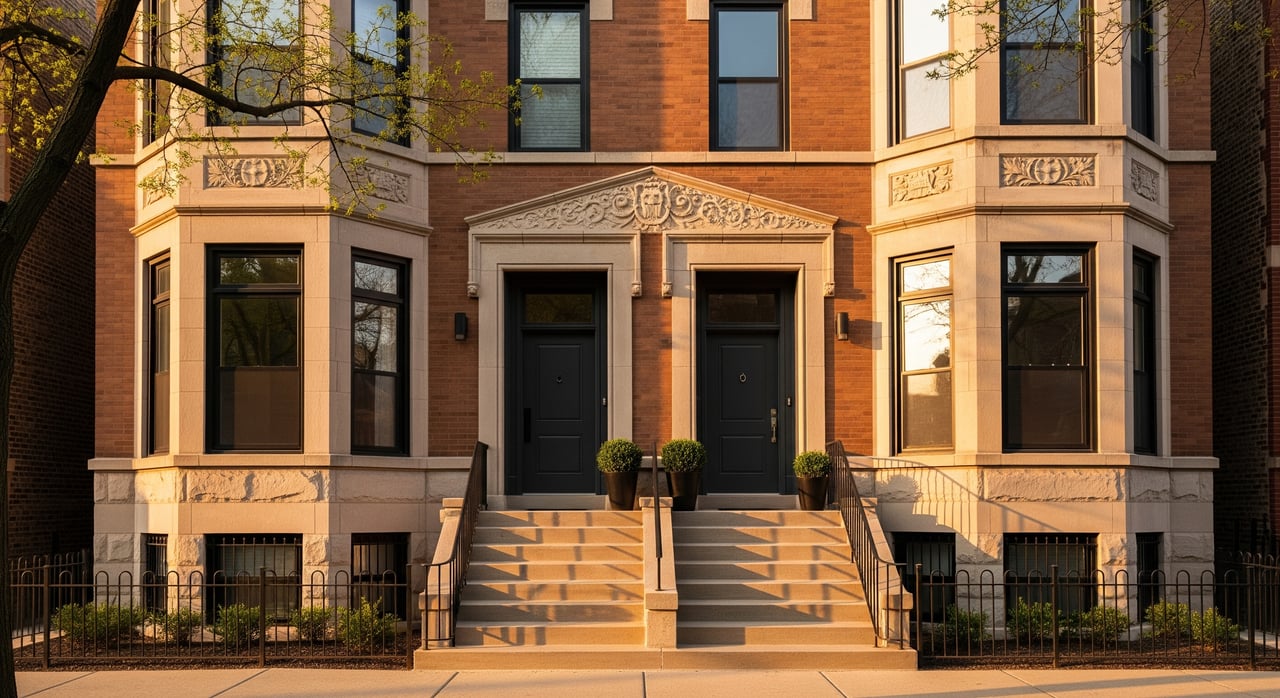
Could you live in one unit, rent the other, and let your tenant help pay the mortgage? In Logan Square, that path is both common and doable when you plan well. You want lifestyle perks, reliable rental demand, and a clear plan for financing and renovations. This guide gives you a practical roadmap to evaluate a 2‑flat, structure your loan, budget upgrades, and move forward with confidence. Let’s dive in.
Why Logan Square works
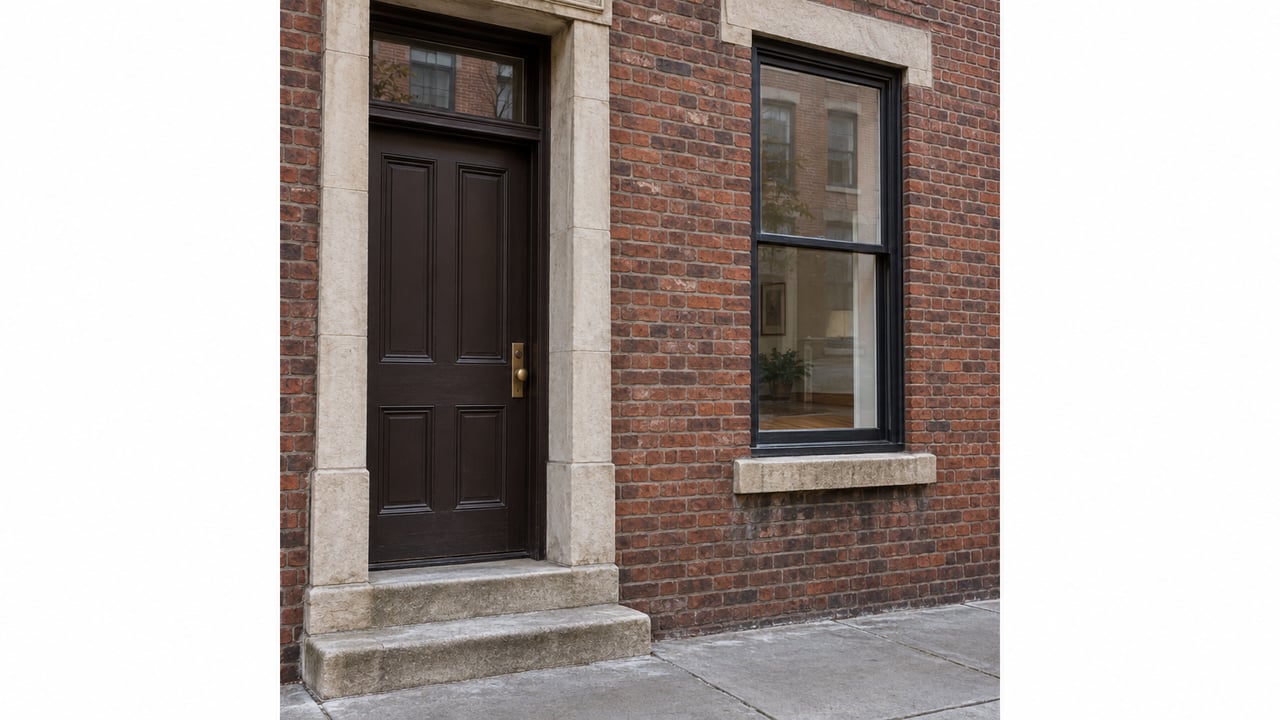
Logan Square offers strong renter appeal thanks to walkable dining, transit options like the Blue Line and buses, and access to bike routes such as the 606. These lifestyle amenities help keep demand for well‑located apartments steady across a range of renter profiles. Many 2‑flats are vintage buildings with high ceilings, wood trim, and classic layouts that attract tenants and owners alike.
Zoning across much of the neighborhood allows two‑unit residential buildings, including designations such as RT‑4 and similar multi‑unit districts. Always confirm a property’s zoning and any overlays with the City of Chicago before you write an offer. If you plan exterior work, check for any historic or preservation reviews that could affect windows, porches, and facade updates.
How to finance a 2‑flat you occupy
Financing a primary‑residence 2‑flat opens doors to owner‑occupant programs that can lower your down payment compared to investor loans. Common paths include:
- FHA: Allows 1–4 unit owner‑occupied properties with a low down payment option, commonly 3.5% for qualified borrowers. If the building needs work, consider FHA 203(k) to finance renovations in the same loan.
- VA: Eligible veterans can often purchase a 2‑unit primary residence with very low or zero down payment. Confirm occupancy and eligibility rules with an approved VA lender.
- Conventional: Many lenders offer 2‑unit primary residence loans. Some will count a percentage of market rent from the second unit for qualifying, often using a conservative factor to account for vacancy and management.
- Renovation loans: FHA 203(k) and Fannie Mae Homestyle can wrap approved renovation budgets into your mortgage. This is helpful when mechanicals, roof, or layout changes are needed.
- Portfolio and local banks: Regional lenders may offer flexible underwriting for vintage Chicago buildings and unique property features.
Practical underwriting notes:
- Rental income: Be ready with a lease or market rent evidence. Lenders may only count a portion of projected rent and will apply vacancy assumptions.
- Occupancy: Owner‑occupant loans require you to certify intent to occupy and may require move‑in within a set time.
- Taxes and insurance: Budget Cook County property taxes and owner‑occupied multi‑unit insurance, including liability for rental operations.
Building types and what to inspect
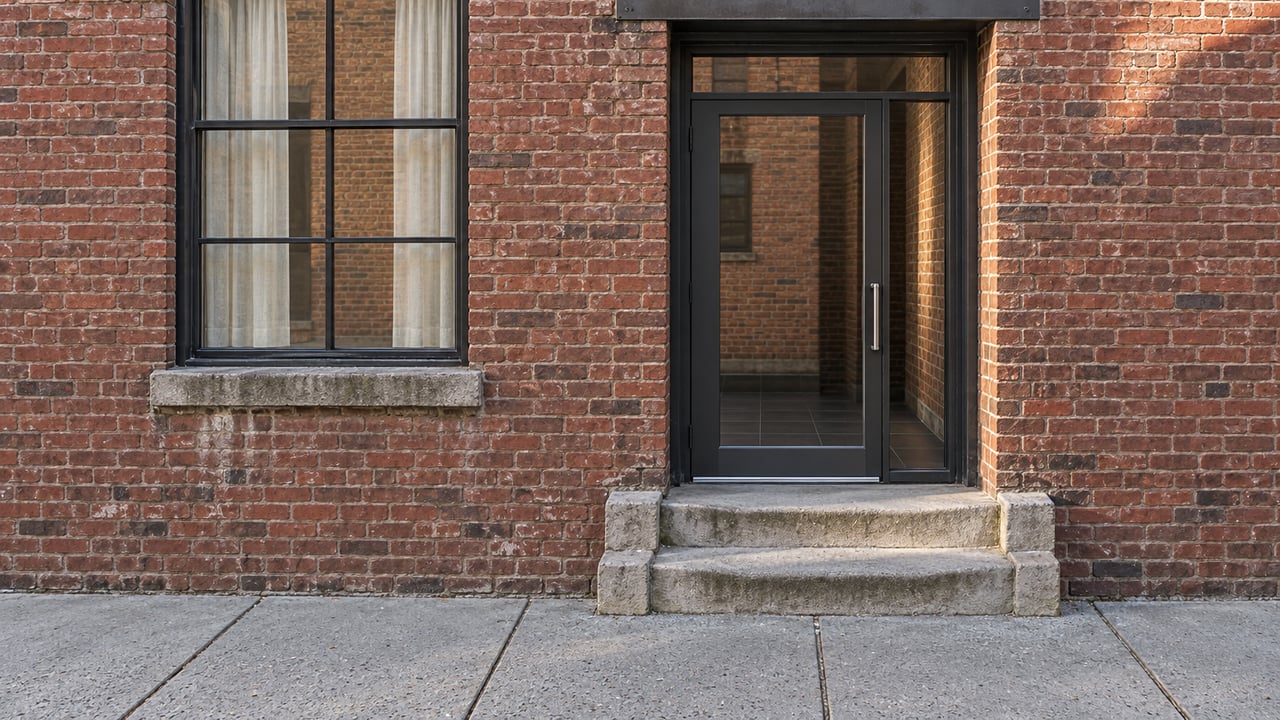
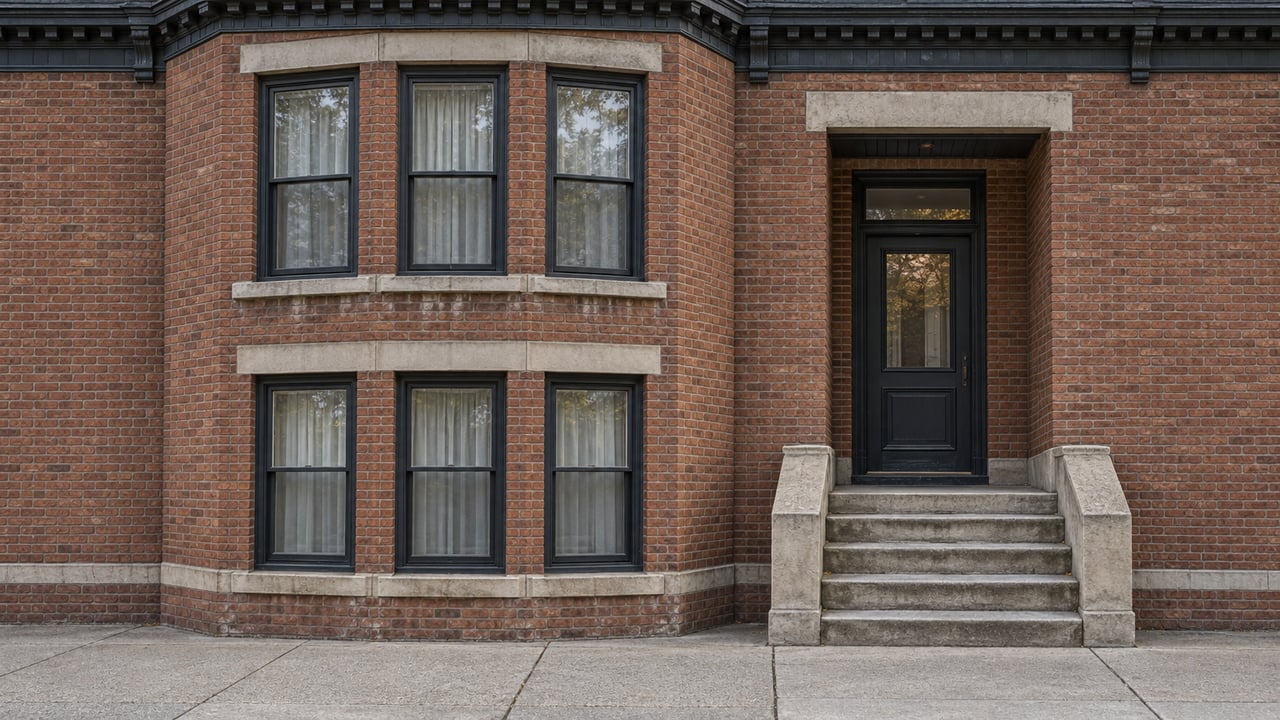
Logan Square 2‑flats often feature stacked flats with one full unit per floor and separate entrances. Some have semi‑finished or legal basement units, which require close review for egress and habitability. Typical layouts range from 2BR/1BA to 3BR/1BA with period details, sunrooms, and porches.
Focus your inspection on:
- Roof age and condition, including flashing and gutters.
- Heating system type and age, especially if there is a boiler; clarify whether heat is metered per unit.
- Electrical service size, presence of knob‑and‑tube, and meter configuration.
- Plumbing, including signs of galvanized or lead service lines.
- Basement moisture, waterproofing, sump pumps, and egress windows.
- Masonry, porches, and foundation cracks.
- Permit history and documentation of previous work.
- Legal unit status, any open city violations, and rental registration.
Many older 2‑flats have shared utilities. Separating or submetering gas and electric can increase marketability and simplify billing, but it requires permitted work and coordination with utility providers.
Value‑add upgrades tenants want
Target upgrades that drive rent, improve comfort, and reduce operating costs.
High‑impact interior updates:
- Kitchens and baths: Modern finishes, functional layouts, and quality fixtures provide strong rent uplift. In‑unit laundry is especially attractive.
- Additional baths: Converting a 2BR/1BA to a 2BR/2BA or adding a half bath can boost marketability, but plan for higher costs and permits.
- Cosmetic refresh: Paint, lighting, and refinished floors offer quick wins.
Systems and compliance upgrades:
- Heating and hot water: Replacing an old boiler or moving to higher‑efficiency systems lowers operating costs and supports inspections.
- Electrical: Upgrading old wiring and service capacity is often necessary for safety and insurance.
- Utility separation: Separate or submetered utilities give tenants control and simplify owner accounting.
Exterior and structural work:
- Roof replacement and tuckpointing are common capital projects in vintage masonry buildings.
- Window upgrades improve comfort and efficiency. Historic overlays may affect visible window changes.
Legalization and unit changes:
- If a basement unit exists, expect potential work on egress, ceiling height, and waterproofing to meet habitability standards. All changes require permits and inspections.
Permitting tips:
- Structural, electrical, plumbing, and egress work require City of Chicago permits. Unpermitted work can create problems with financing and resale.
- Pre‑1978 buildings require lead paint disclosure to tenants, and certain renovations must follow lead‑safe practices.
Run the numbers with a simple framework
Build a conservative pro forma before you write an offer. Start with:
- Purchase price, down payment, and projected mortgage terms.
- Property taxes and any owner‑occupant exemptions you expect to claim.
- Insurance suitable for owner‑occupied multi‑unit properties.
- Projected rent per unit using local comps, plus a vacancy assumption of about 5–10% adjusted to current conditions.
- Operating expenses: utilities you will pay, routine maintenance, and set aside 10–15% of collected rent for older‑building reserves.
- Capital expenditures: near‑term needs such as roof, boiler, or electrical upgrades, plus a longer‑term reserve.
- Renovation budget with a contingency of 20% or more to account for surprises in vintage construction.
Your goal is to see how rent from the second unit supports your monthly costs and long‑term returns. Stress test the plan with higher vacancy and larger capital projects so you understand your downside.
Due diligence timeline
Follow a clear order to keep risk in check:
- Gather listing documents, leases, rent roll, repair receipts, and permits.
- Pre‑offer, verify zoning, review property tax history, and check for open violations.
- Write the offer with inspection and financing contingencies.
- Schedule a full inspection by a multi‑unit‑experienced inspector, plus specialists for roof, masonry, and mechanicals if needed.
- Confirm legal unit status and rental registration.
- Get contractor bids for planned value‑add work and confirm permit scope and timelines.
- Work with a lender experienced in 2‑unit owner‑occupied underwriting to preapprove and verify rental income treatment.
- If you plan to self‑manage, outline your processes. If not, interview potential managers and compare fees and services.
Risks to plan for
- Underestimating capital needs for boilers, electrical, masonry, and roofs.
- Legalization surprises if a basement or existing unit is not fully compliant.
- Over‑optimistic rent assumptions that do not reflect vacancy or management costs.
- Lender rules that limit how much projected rent counts toward qualifying.
- Insurance and liability exposures related to operating a rental; align coverage with your use.
Next steps in Logan Square
- Speak with at least two lenders who regularly finance owner‑occupied 2‑flats and can compare FHA, conventional, VA, and renovation options.
- Line up inspections and request specialist evaluations early.
- Verify rental registration and any city violations for the address you are targeting.
- Draft a conservative pro forma and add stress tests for vacancy and capital expenses.
- If you plan renovations, collect bids and map permit timelines. Consider whether an FHA 203(k) or Homestyle loan fits your scope.
- Review owner‑occupant tax benefits you may be eligible for and speak with a tax advisor about rental income reporting and depreciation.
How NiKo Collaborative helps
You deserve clear counsel rooted in neighborhood experience. Our team brings a collaborative, evidence‑driven approach to Logan Square 2‑flats, from pre‑offer analysis to closing. We help you pressure‑test the numbers, coordinate inspections and vendors, and tailor a value‑add plan that fits your goals. You get local insight, strategic advice, and a full‑service experience designed to support both lifestyle and long‑term returns.
Ready to explore a Logan Square 2‑flat with a team that treats your purchase like a portfolio decision? Connect with Niko Apostal to get started.
FAQs
What is house hacking for a Chicago 2‑flat?
- It is when you buy a two‑unit property as your primary residence, live in one unit, and rent the other to offset ownership costs while following local landlord and building rules.
Which loans work for an owner‑occupied 2‑flat?
- Common options include FHA with a low down payment, VA for eligible veterans, conventional loans that allow 2‑unit primary residences, and renovation loans like FHA 203(k) or Fannie Mae Homestyle.
Can I use projected rent to qualify for the mortgage?
- Many lenders will count a portion of market rent from the other unit, often using a conservative percentage to allow for vacancy and management; requirements vary by lender.
What upgrades add the most rental value in vintage buildings?
- Modernized kitchens and baths, in‑unit laundry, additional bathrooms where feasible, and utility separation often deliver the best combination of rent growth and tenant appeal.
Do I need permits to add laundry or a new bath?
- Yes. Changes to plumbing, electrical, and egress typically require City of Chicago permits and inspections; historic or preservation overlays can affect exterior work.
What should my inspection checklist include for a Logan Square 2‑flat?
- Review roof and masonry, boiler or heating system, electrical service and wiring, plumbing and any lead or galvanized lines, basement moisture and egress, porches, permits, zoning, and legal unit status.