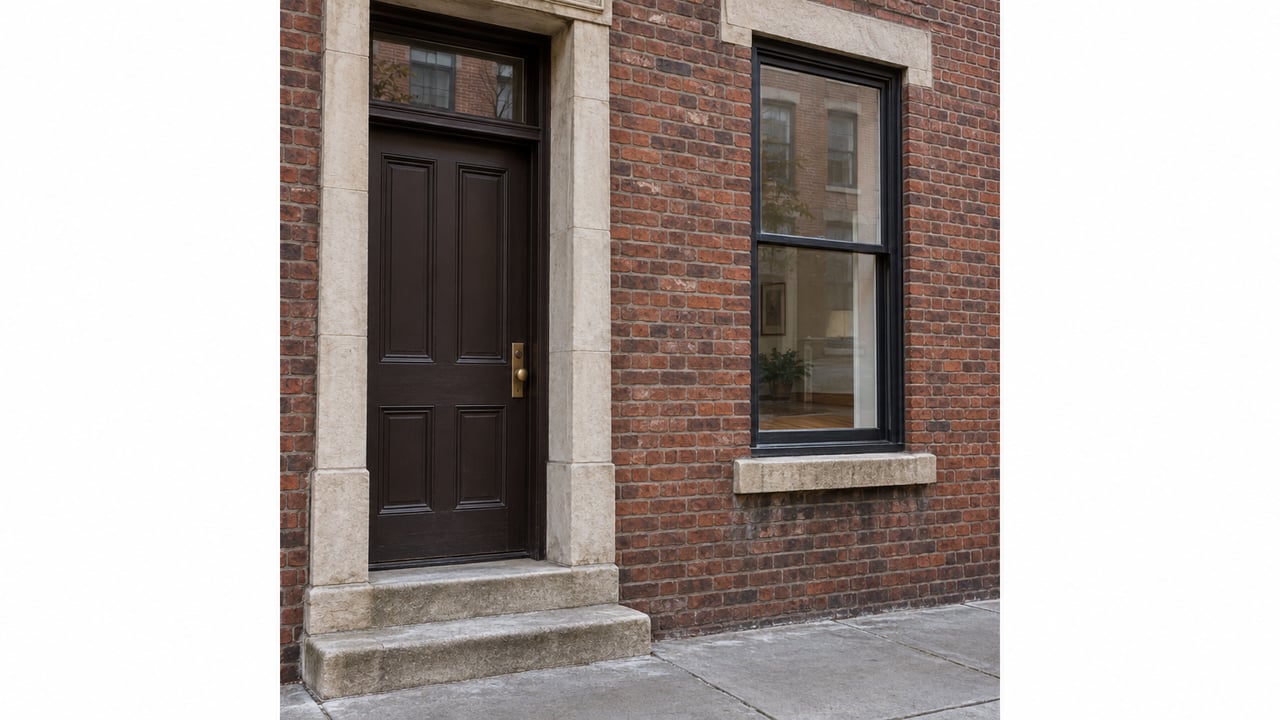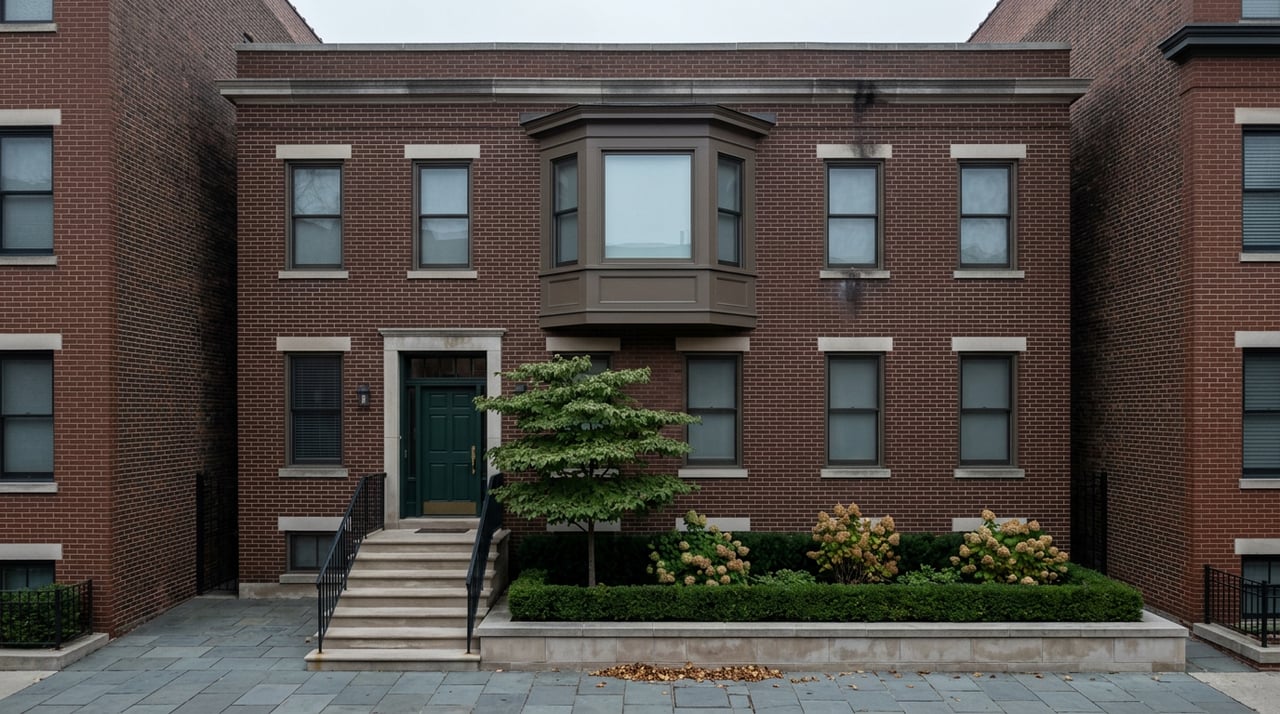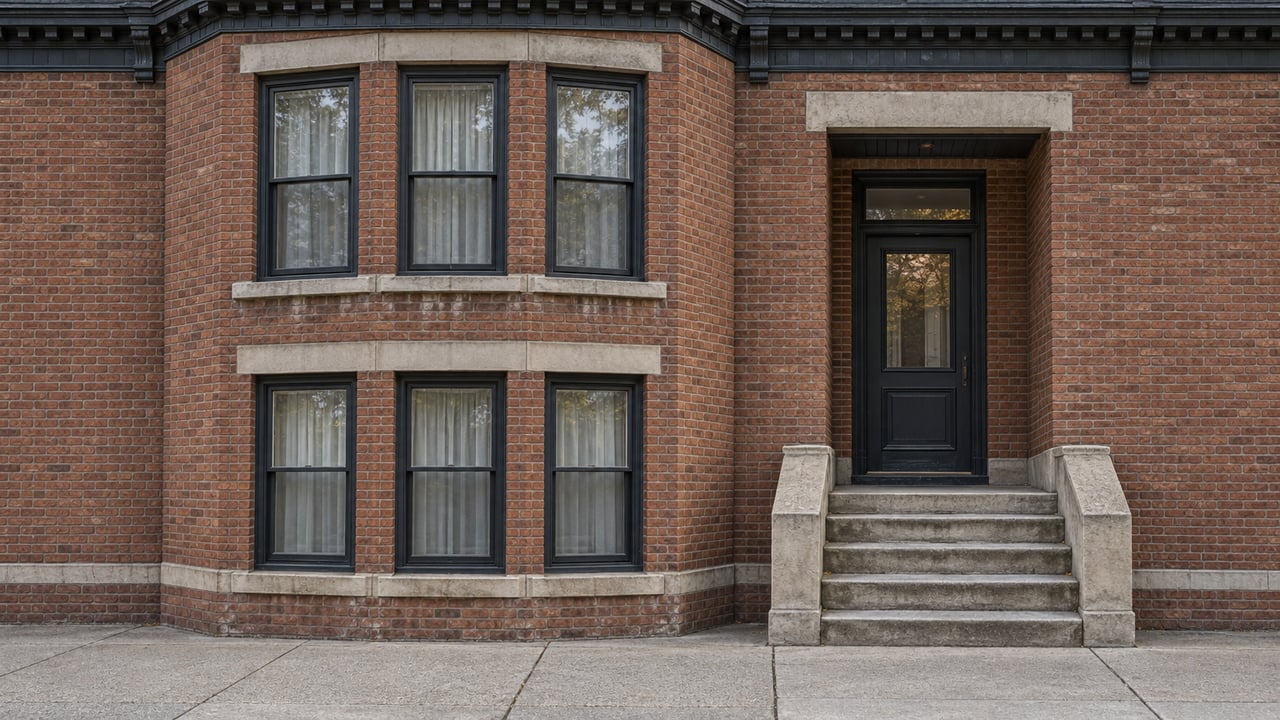
Picture a Logan Square two-flat where the owner lives upstairs and rents out the garden unit. Since March 1, 2025, selling that building has followed a different sequence. The building sits inside the 606 Predominance of the Block District, so it falls under Chicago's Tenant Opportunity to Purchase pilot. The pilot covers any rental property in the district with at least one occupied rental unit, whatever its zoning or building type. When the city counts units, owner-occupied, vacant and accessory units all count. The Department of Housing's FAQ answers the owner-occupied question in one word: "Yes, tenants have the right of first refusal in owner occupied buildings."
Most coverage treats the program as a tenant-protection story. For a seller or buyer, the bigger change is in how the deal works. Once an owner accepts an offer, that contract goes to the people living in the building, who get the right to take it on the same terms. They can also hand that right to a different buyer. The first buyer is still bidding, but their accepted price now works as a floor that someone else may be able to claim.
The sale starts 30 days before the listing
For a building with one to four units, the owner can't list or market it until at least 30 days after giving notice. Buildings with five or more units have to wait 60 days. The city defines "listing" broadly. It includes private offers, marketing materials and direct outreach, so quietly calling a few investors before the 30 days are up still counts as listing.
Under the rules that took effect April 6, 2026, the paperwork goes in this order:
- Each rental unit gets the city's Tenant Notice of Intent to Sell, delivered in person or by certified or registered mail with a return receipt.
- Every owner on title signs an Owner Declaration of Intent to Sell, notarized in Illinois. Signatures from an authorized agent aren't accepted.
- The tenant notices, proof of delivery and the declaration are uploaded together through the city's e-form portal. Email submissions stopped on May 6, 2026.
- A public notice goes up at every public entrance to the building.
The 30-day clock starts only after every piece reaches both the tenants and the department. If any submission is incomplete, the owner has to resubmit and wait out the full period again. The department says it confirms receipt and compliance within seven business days. During this period, tenants may ask in writing for the rent roll, a list of vacant units with the past year's vacancy rate, and a 12-month income and expense report covering taxes and capital improvements. The owner has 30 calendar days to provide them.
That package is the same underwriting file an investor would ask for. Under this program, tenants who may become buyers can have it before the property is ever marketed.
What happens after you accept an offer
Accepting an offer brings in the second set of rules. The owner has to deliver to each unit the city's Notice of Third-Party Purchase Agreement, an executed copy of the contract and the financial disclosures. The tenants' deadline starts only when that notice is delivered. Under the code, the buyer's contract has to be contingent on the tenants' right.
| One or two units | Three or four units | |
|---|---|---|
| Who can act | At least one tenant, with no association needed | A registered tenant association |
| Window to exercise | 15 calendar days | 30 calendar days |
| Earnest money with exercise | What the contract requires, capped at 5% | Same |
| Lender pre-approval due | Within 60 days of the offer notice | Same |
| Closing after exercise | 60 calendar days | 60 calendar days |
Under the code, a tenant who exercises the right signs a contract on the same terms as the third-party agreement. The code also presumes that contract is contingent on the tenant's ability to complete due diligence and secure financing. The 2026 rules gave tenants more time on financing. Under the 2025 rules, proof of financing was due within three business days of exercise. It's now due within 60 calendar days of the offer notice.
The owner and the original buyer can keep working toward closing, but they can't close until the tenants waive or their window runs out. For a rented two-flat where nobody waives, that adds at least 45 days to the seller's schedule: 30 before listing and 15 after acceptance. For a three- or four-flat, the minimum is 60 days. If a tenant exercises, add the 60-day closing period.
The right can be handed to another buyer
This rule changes how pricing works. The city's FAQ says there are "no limitations to how a tenant assigns their rights to a third party." It then takes up the obvious follow-up question: can tenants assign the right to a regular market-rate buyer, who would get the advantages of being the right-of-first-refusal buyer? The department's answer is "Yes." For buildings with three or more units, tenants have to form an association before they can assign. In a one- or two-unit building, a single tenant can assign the right directly.
In practice, the first buyer does the work of setting a price. They tour the building, model the rents, negotiate, and sign a contract that is then delivered to the tenants. A second buyer who partners with a tenant can step in at that same price, with earnest money capped at 5% and a presumed financing contingency. Under the code, once the right is exercised, the original buyer's agreement terminates automatically.
The code also says third-party purchasers "are presumed to act with full knowledge of tenant rights." A buyer bidding on a rented two-flat in the district should expect that a signed contract may not hold.
Renegotiation can reopen the window
Buyers usually renegotiate after an inspection, and here that can restart the process. Under the code, if the sale to the third party fails to close or the terms change materially, the tenants' right is reinstated. A sale to a different party, or on materially different terms, "shall be null and void." The department's rules set a specific line. A new purchaser, or a change in price of 10% or more, reinstates the tenants' right.
On a vintage two-flat, an inspection can turn up enough masonry, roof or mechanical work to justify a large credit. If the credit is big enough to change the deal, the building may go back to the tenants at the new, lower price.
A December 11, 2025 amendment limits this. The longer exercise timelines "may only be exercised once after an owner places the rental property for sale, or if there is a material change to the purchase price." The right also continues after a sale. It applies to every later owner, including one who bought in a sale where the tenants didn't exercise. A buyer who plans to sell the building again before the pilot ends on December 31, 2029 will go through the same process.
Mistakes are expensive. Fines run from $200 to $1,000 per offense, and each day a violation continues counts as a separate offense. An aggrieved party can also sue for treble damages and attorney fees.
How often tenants have used the right
So far, tenants have rarely completed a purchase. In April 2026, The Daily Line's one-year report quoted Department of Housing figures. The department had received notice of at least 217 completed sales or pending listings under the ordinance, and at least seven tenant associations had formed. Three tenant groups had tried to exercise the right: two failed and one was still in process.
One of those attempts involved 2648 N. Francisco Ave., a five-unit building listed in March 2026 for $1.35 million. Block Club Chicago reported the asking price was $400,000 above the building's 2025 assessed valuation. The tenants organized as the Three Black Cats tenants association, and the listing started a 90-day right-of-first-refusal period. The tenants said they were working to pool a purchase fund. If that failed, they wanted the building sold to a buyer who wouldn't displace them. Ald. Anthony Quezada of the 35th Ward joined their rally.
So far, the program has added time and paperwork to almost every covered sale, while tenant purchases have stayed rare. In June 2025, Ald. Gilbert Villegas of the 36th Ward told Block Club that the program delayed sales and complicated mortgage and title work. Quezada said his office had received two complaints related to title insurance, and that both were resolved with city departments. In July 2025, City Council removed the 31st and 36th Wards from the zone. Most of Logan Square is still covered. The 2026 rules also let the city issue a certificate of compliance when one is needed to perfect title or meet due diligence. A seller who files everything correctly can show that compliance at closing.
The building is likely to stay a two-flat
The other rules in the same ordinance narrow the buyer pool. Within the district, the demolition surcharge is $60,000 for a detached house, townhouse or two-flat, and $20,000 per unit for larger buildings. The surcharge runs through December 31, 2029. On RS3 blocks where more than half the lots on that side of the street hold multi-unit buildings, a new detached house generally isn't allowed. On RT3.5 blocks, the cutoff is 40%.
These rules make teardowns more expensive and, on many blocks, rule out a single-family replacement. That leaves owner-occupants and income investors as the likely buyers for a two-flat in the district. Both will be buying a building that may stay under the tenant purchase process until the pilot ends.
Quick answers
Which transfers are exempt? The code exempts transfers by inheritance or will, listed family transfers, qualifying foreclosures and deeds in lieu, bankruptcy and tax-sale transfers, court-ordered transfers, certain revocable-trust transfers, and ownership-entity changes made for no consideration. If the property is later transferred to a non-exempt party, the rules apply to that transfer.
Can I ask my tenant to waive? Tenants can waive at any time, and since the April 2026 update the waiver form is part of the Third-Party Purchase Agreement notice. The city's FAQ says an owner or their agent may not ask for a waiver during the notice-of-intent period. City sources disagree on whether a majority waiver lets a one- to four-unit building list early, so confirm with the department before relying on it.
What about a garden unit used as a short-term rental? The FAQ says properties listed as short-term rentals are exempt. The 2026 rules count short-term-rental units toward a building's unit total. Ask the department how your building is treated before you send any notices.
Is my address covered? Coverage is decided parcel by parcel, not by ZIP code. Check the boundary map dated August 18, 2025 on the city's TOPA page. This post describes the process and isn't legal advice. Have a real estate attorney review your specific sale.
If you own a rented two-flat or greystone inside the 606 district, the 30-day notice period is part of your sale. NiKo Collaborative can help you work out a pricing and listing calendar around it, and assemble a disclosure file and contract terms that hold up through the tenant notice. Request a Home Valuation to start planning, ideally a month or more before you'd want the listing to go live.