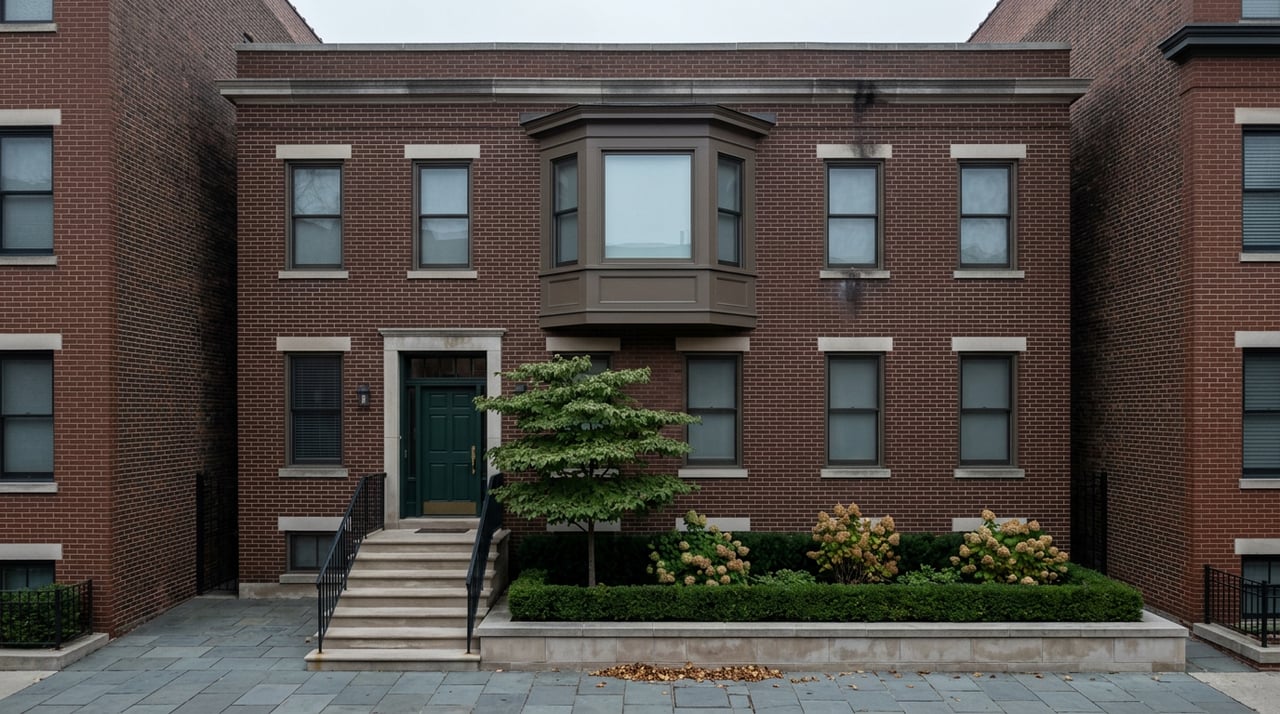
Thinking about leaving Logan Square for the suburbs? You are not alone, and the move can feel exciting and complicated at the same time. You may be trying to unlock equity from your current home while also lining up the right purchase, the right timing, and the right next chapter. The good news is that Logan Square remains a strong seller market, but success usually comes down to planning the sequence well. Let’s dive in.
Logan Square Still Gives Sellers Leverage
If you own in Logan Square, you are likely selling from a position of strength. According to Redfin’s Logan Square housing market data, the median sale price reached $577,500 in March 2026, homes averaged 41 days on market, and the average sale-to-list ratio was 101.2%.
That matters because it suggests many sellers are still seeing strong demand, and some are receiving multiple offers. Redfin also reports that 48.9% of homes sold above list price, which reinforces that Logan Square is not a market where you can be casual about timing, pricing, or preparation.
Compared with the broader county, Logan Square stands out. In Cook County overall, the median sale price was $369,450 in March 2026, with homes averaging 51 days on market. In simple terms, your Logan Square home may be entering the market from a faster and more valuable position than the broader suburban benchmark.
There is also a longer-term story here. The DePaul Institute for Housing Studies found that Chicago home prices rose 6.5% year over year in Q2 2025, compared with 5.2% in suburban Cook County. Since 2000, Chicago prices are up 168.9%, while suburban Cook County is up 127.6%, and the Logan Square/Irving Park area saw an even sharper 261.6% growth.
For you, that can mean two things at once. First, your Logan Square home may represent meaningful equity. Second, the suburban side of your move may feel somewhat steadier, since the same Institute notes suburban Cook County markets have generally shown less dramatic peaks and valleys over time.
The Move Strategy Matters Most
When you are moving from Logan Square to the suburbs, the biggest decision is not just where you are going. It is how you sequence the sale and purchase. That choice affects your financing, your stress level, and how much flexibility you will have when the market starts moving.
In most cases, your options fall into three buckets:
- Sell first
- Buy first
- Use a bridge or leaseback strategy
Each path can work. The right one depends on your cash position, your risk tolerance, and how dependent your next purchase is on proceeds from your current sale.
Sell First for More Certainty
If you need the proceeds from your Logan Square sale to buy in the suburbs, selling first is usually the cleanest option. It gives you a clearer budget, reduces the chance of carrying two mortgages, and makes it easier to move forward without guessing what your current home will net.
Freddie Mac explains that a home sale contingency can give you time to sell your current property before fully committing to the next one. But that structure can also create added risk for the seller of the home you want to buy, and it can prolong the closing process.
That is why many homeowners choose to list, negotiate, and close first before shopping seriously. You may sacrifice some convenience, but you often gain clarity and stronger footing for the next purchase.
Buy First When You Have Flexibility
Buying first can work if you have enough liquidity or access to short-term financing. This route can be helpful if you want to secure the right suburban home before your Logan Square property closes, especially in a market where inventory may not line up neatly with your sale timeline.
According to Fannie Mae’s guidance on bridge and swing loans, these funds can be acceptable if your lender documents your ability to carry the new home, your current home, the bridge loan, and your other obligations. Fannie Mae also notes that the bridge loan cannot be cross-collateralized against the new property.
This path can offer convenience, but it requires discipline. You need a lender and strategy that account for the full cost of overlap, not just the excitement of landing the next house.
Leaseback Can Bridge the Gap
Sometimes the best move is selling first but staying in your home a bit longer after closing. A written leaseback, also called a rent-back or post-closing occupancy agreement, can create breathing room between transactions.
The National Association of Realtors advises that any seller stay should be put in writing, insurance coverage should be confirmed, and lender approval should be obtained. NAR also notes that many lenders will not accept leasebacks longer than 60 days.
This can be a practical tool if your Logan Square sale closes before your suburban purchase. It can give you extra time to move, avoid double packing, and reduce the pressure of same-day closings.
Why Timing Can Make or Break the Move
Even in a strong market, timing matters. The ideal month to list is not always the ideal month to move, close, or enroll your children after a change of address.
NAR’s seasonal housing analysis shows that the market usually peaks from April through June, with June as the peak month. It also notes that Midwest home sales in June are roughly twice January levels.
For many Logan Square sellers heading to the suburbs, that makes late spring and early summer a natural window. Buyer activity is higher, weather is easier for showings and movers, and many households try to line up transitions around the end of the school year.
That does not mean every home should wait until spring. It does mean your preparation timeline should start earlier than you think. If you want to list in a peak window, you may need to begin valuation, repairs, staging, and planning well before the sign goes in the yard.
School and Residency Timing Adds Another Layer
If children are part of your move, school logistics can shape your timeline in a very real way. A closing date is one thing. Residency documentation and enrollment deadlines are another.
Chicago Public Schools states that proof of city residency is due by July 1 for the next school year, and if your address changes after the GoCPS deadline, proof of both the old and new address is required. That can affect how you organize documents and when you finalize your move.
Illinois Legal Aid Online also notes that school-aged children must be enrolled where they live, but they can finish the school year at the same school even if the family moves to another district. For many households, that means the move itself can happen on one timeline while school attendance follows another.
The key is to treat school paperwork as part of the transaction plan, not an afterthought. Your sale and purchase dates may be driven by the market, but your family calendar may need its own strategy.
What a Smart Selling Plan Looks Like
A move from Logan Square to the suburbs usually runs more smoothly when you make the key decisions early. Because Logan Square remains competitive, your listing may move faster than an open-ended suburban search.
A strong plan often includes:
- Choosing your sequence early: Decide whether you are sell-first, buy-first, or bridge-based.
- Understanding your equity position: Estimate what your Logan Square sale could realistically produce.
- Building a timing buffer: Leave room for underwriting, inspection issues, movers, and closing shifts.
- Planning for overlap: Consider leasebacks, storage, or short-term housing if dates do not align.
- Getting documents ready: Keep financing, residency, and moving paperwork organized from the start.
This is where a high-touch strategy matters. It is not just about getting your home sold. It is about aligning pricing, prep, marketing, timing, and your next purchase so the whole move works.
Temporary Housing Is Not a Mistake
Many sellers worry that needing storage or a short-term rental means the plan has gone wrong. In reality, a short gap between closings can be a normal and smart part of a well-managed transition.
With Logan Square homes averaging around 41 days on market according to Redfin, your sale could move on a faster track than your suburban purchase. Add lender timelines, school considerations, and post-closing details, and a brief in-between period may be the most practical answer.
The goal is not a perfect calendar. The goal is a move that protects your financial position and gives you enough room to make good decisions.
Final Thoughts on Selling and Suburban Moves
If you are selling in Logan Square and moving to the suburbs, the market is giving you an opportunity, but the process still needs careful coordination. Strong pricing, solid demand, and long-term appreciation trends can put you in a favorable position, yet the real advantage comes from knowing how to structure the next step.
At NiKo Collaborative, the process starts with understanding your goals, your timing, and what kind of move will serve you best. If you are weighing a sell-first strategy, a buy-first scenario, or a leaseback solution, connect with Niko Apostal to talk through a plan built around your timeline.
FAQs
Should I list my Logan Square home before shopping seriously in the suburbs?
- If your suburban purchase depends on proceeds from your Logan Square sale, listing first often gives you the clearest budget and the least financing risk.
Can I buy a suburban home before my Logan Square home sells?
- Yes, but it usually requires enough liquidity or bridge financing, and your lender must document your ability to carry all related obligations.
What is a leaseback when selling a Logan Square home?
- A leaseback is a written agreement that lets you stay in your home for a short period after closing, which can help if your next home is not ready yet.
How competitive is the Logan Square housing market right now?
- Redfin reports Logan Square as a very competitive market, with a median sale price of $577,500 in March 2026, 41 average days on market, and a 101.2% sale-to-list ratio.
How does school timing affect a move from Logan Square to the suburbs?
- School timing can affect document collection, residency proof, and enrollment planning, especially if your move happens near summer deadlines or after an address change.
Is temporary housing normal when moving from Logan Square to the suburbs?
- Yes, a short-term rental, storage plan, or brief gap between closings can be a practical way to manage timing differences between your sale and your next purchase.