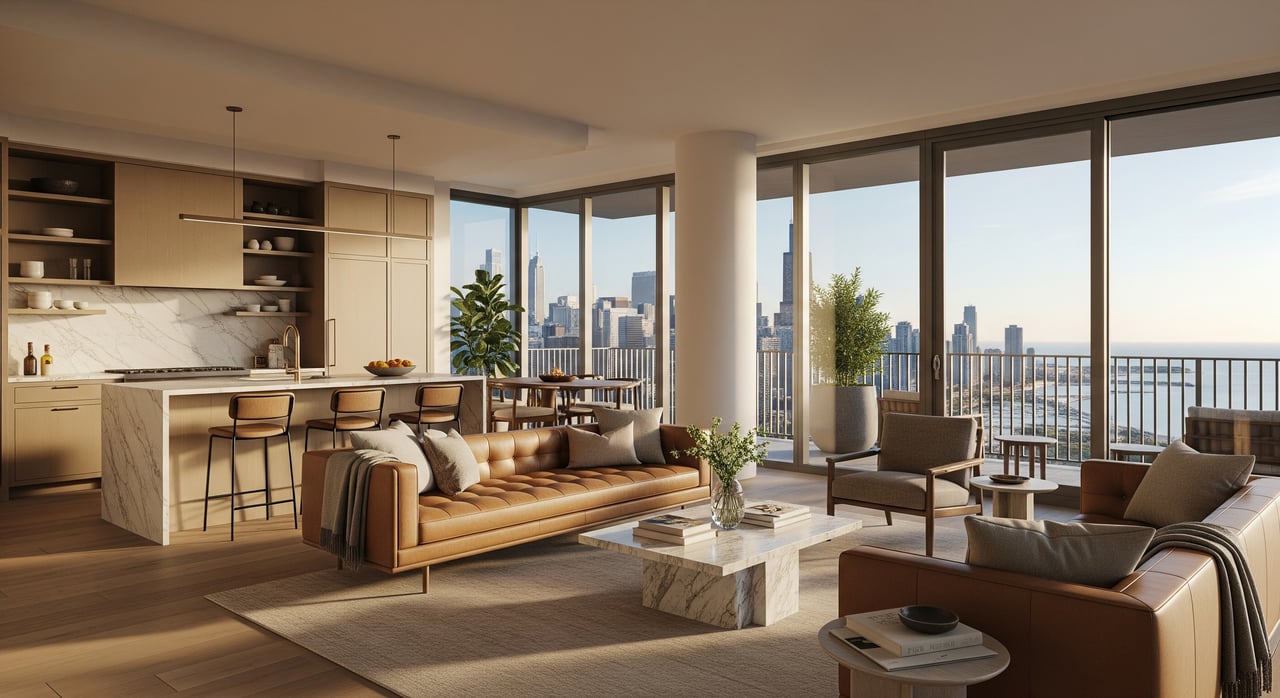
Looking for a downtown Chicago condo but not sure which building truly fits your life? With so many towers, amenities, and rules to compare, it can feel overwhelming. You want the right mix of convenience, comfort, and value without surprises after you move in. This guide gives you a simple framework to match buildings in 60601 and nearby downtown areas to your lifestyle, plus a due diligence checklist you can use before touring. Let’s dive in.
How downtown condo types differ
Luxury high-rise towers
Luxury high-rises often have 40 or more stories, full-service staffing, and extensive amenity suites like pools, fitness centers, package rooms, and guest suites. Monthly assessments are typically higher to support services and upkeep. You’ll often find deeded parking and extra storage options.
What to verify:
- Amenity rules and reservation systems.
- HOA budget line items for amenity maintenance.
- Staffing schedules and scope of services.
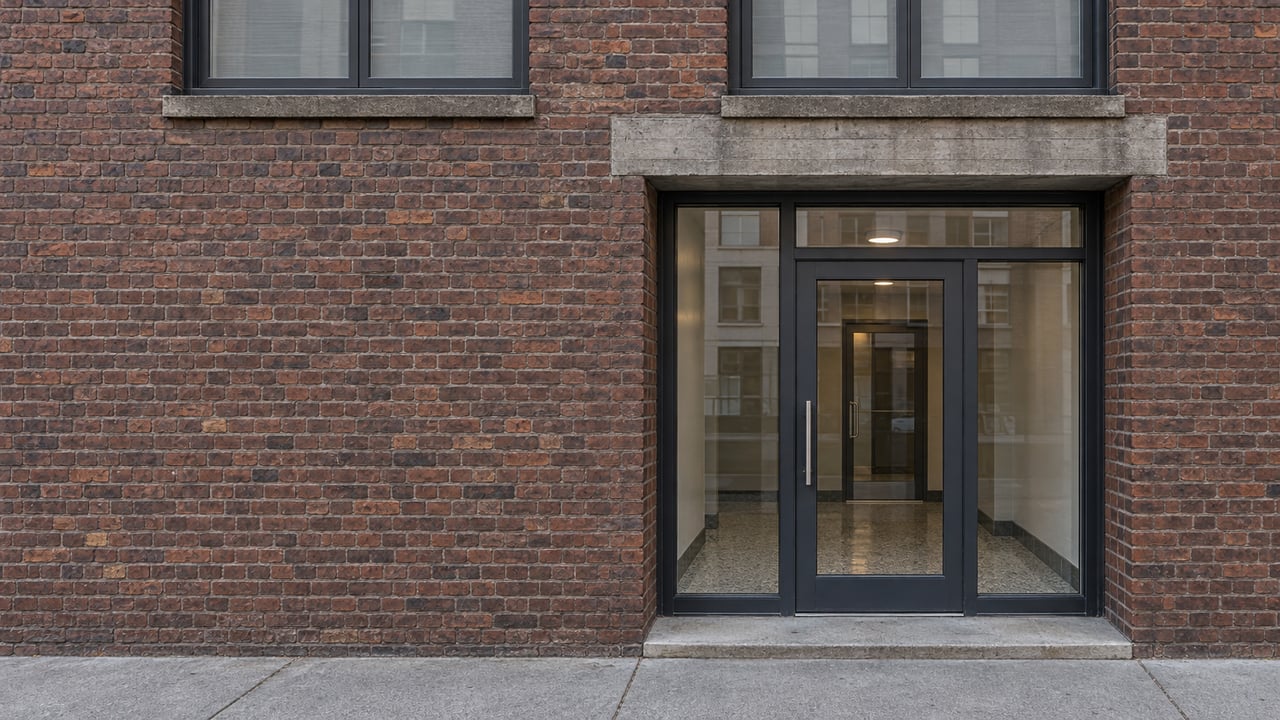
Modern boutique mid-rises
Newer boutique buildings are usually 8 to 20 stories with contemporary finishes and selective amenities such as a gym or rooftop. They can offer a balance of style and manageable assessments. Developers sometimes offer promotions early in a building’s life.
What to verify:
- Reserve study or reserve balance.
- What is included in monthly fees (utilities, internet, etc.).
- Any rental or renovation rules.
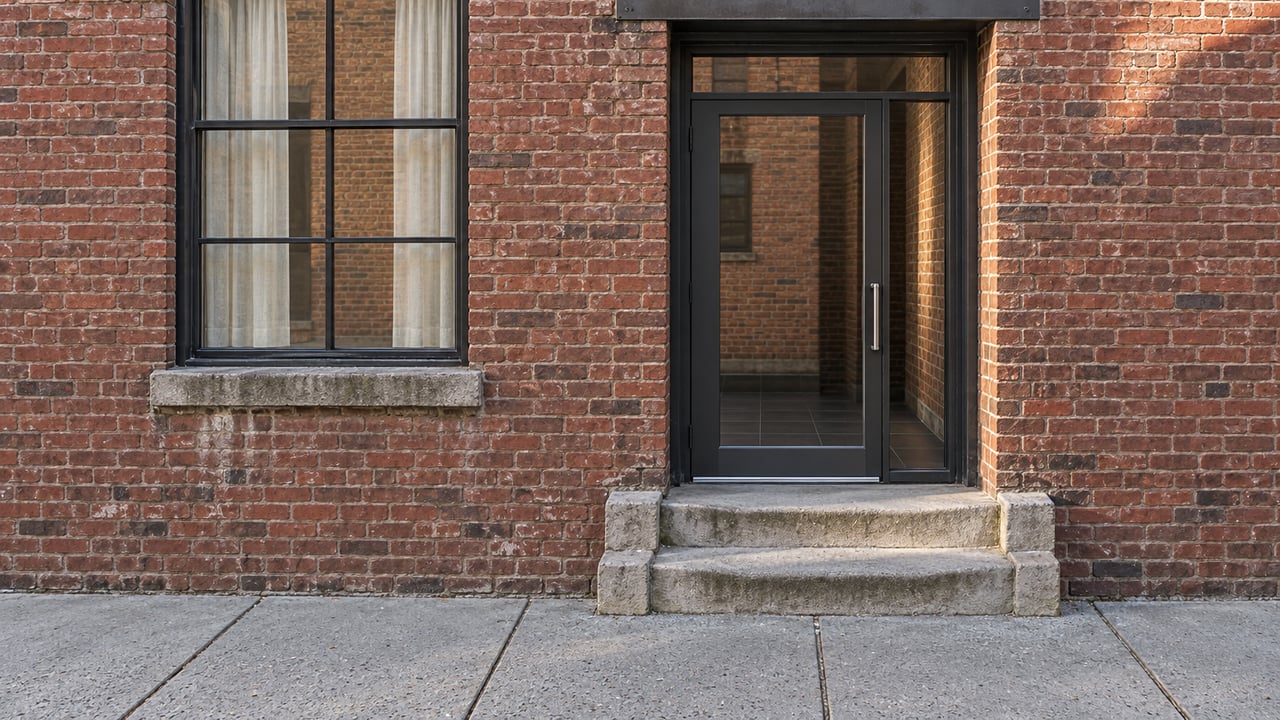
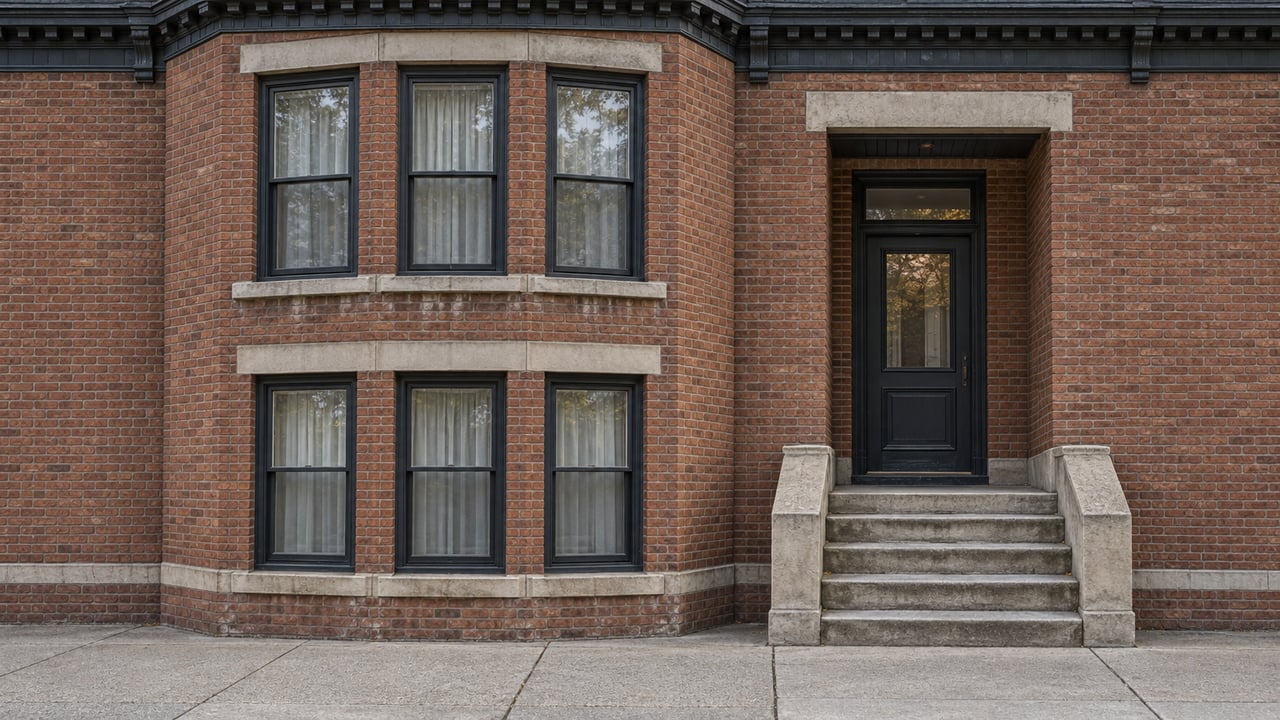
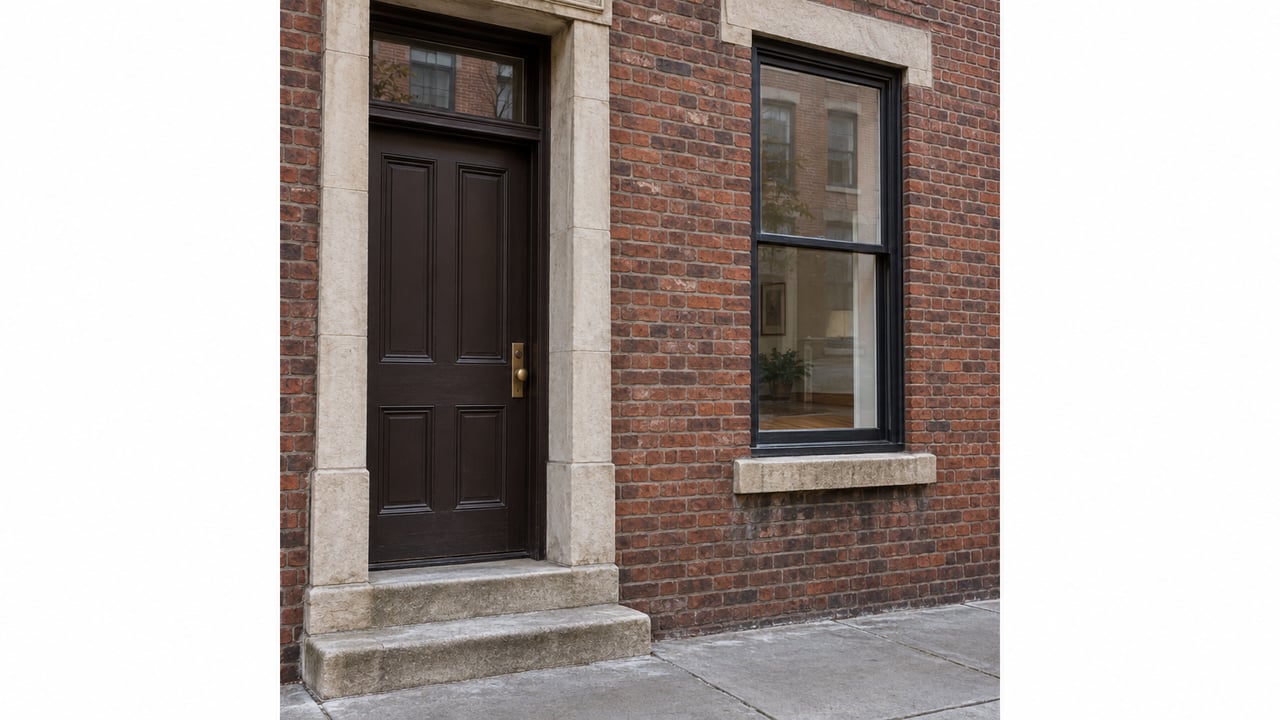
Vintage and historic buildings
Converted lofts and pre-war buildings often deliver character and architectural details. These may have fewer shared amenities and smaller unit footprints. Assessments can be lower, but reserves and capital needs vary widely.
What to verify:
- Recent audited financials and special assessment history.
- Building envelope and façade repair records.
- Rules for renovations and window replacements.
Condo conversions and mixed-use towers
Converted rental towers and mixed-use buildings can offer great locations and on-site retail. Rules may be more complex due to commercial tenants, and investor concentrations can vary.
What to verify:
- Bylaws and any rental caps or lease minimums.
- Management agreements and vendor contracts.
- Owner-occupancy ratios and meeting minutes.
Micro-areas near 60601 at a glance
Streeterville (60601)
Streeterville places you close to the lakefront and nearby medical and educational campuses. You’ll see a mix of luxury towers and high-density living. Expect strong walkability and access to parks and lake paths.
River North
River North offers restaurants, galleries, and nightlife within a short walk. Newer luxury buildings and conversions are common. It is convenient for residents who want evening and weekend options close to home.
Gold Coast
Gold Coast blends high-end shopping with historic architecture. You’ll find boutique buildings alongside luxury towers. Streets are more residential in feel, yet close to dining and the lakefront.
The Loop
The Loop is the central business district with a growing number of residential options. It is ideal if you want a short commute to offices and transit hubs. Expect an energetic daytime environment.
West Loop and Fulton Market
This area features newer development and loft-style condos in converted industrial buildings. Food and tech scenes are nearby. It offers quick access to employers west of the river and abundant dining.
Compare five building dimensions
Amenities
Amenities shape your daily rhythm and your assessments. Common features include a doorman or concierge, fitness center, pool, rooftop deck, dog run, guest suites, bike room, party room, and package handling. Newer buildings may add co-working spaces or screening rooms.
How to verify:
- Amenity maintenance budgets and reserve allocations.
- Use rules, hours, guest policies, and reservation systems.
- Any upcoming amenity upgrades or closures.
Red flags:
- Underfunded amenity maintenance.
- Overbooked or restrictive reservation rules that limit access.
Monthly assessments and reserves
Monthly assessments cover building operations and reserves fund long-term repairs. Luxury and full-service towers usually have higher fees due to staffing and amenities. Older or smaller buildings may have higher per-unit costs for capital projects.
How to verify:
- Current budget, most recent audited financials, and reserve study.
- Special assessment history and any planned capital work.
- Insurance coverage summary and owner delinquency rates.
Red flags:
- Low or no reserves, repeated special assessments, or operating deficits.
- Pending projects without a defined funding plan.
Pet policies
Buildings vary on whether pets are allowed, size or number limits, and any breed restrictions. Some offer pet amenities like dog runs or grooming stations. Clear rules matter to avoid conflicts later.
How to verify:
- Bylaws and rules and regulations for pet allowances and fees.
- Registration requirements and common-area guidelines.
- How service and assistance animals are handled under applicable laws.
Red flags:
- Vague or inconsistently enforced rules.
- Frequent pet-related complaints in meeting minutes.
Parking and EV readiness
Downtown parking is scarce and valuable. You’ll see deeded spaces, assigned or leased stalls, and valet systems in luxury towers. Some units sell without parking or offer leases in nearby garages. EV charging is increasingly available but not guaranteed.
How to verify:
- Whether parking is deeded or licensed and how it transfers.
- Stall size and location, guest parking rules, and any waitlists.
- EV charging availability and fees.
Red flags:
- Long waitlists with no timeline.
- Unclear transfer or subletting rules.
On-site services and staffing
Staffing affects convenience, perceived security, and costs. Full-service towers often have 24/7 front desk coverage and on-site engineers. Smaller buildings may use off-site management with limited hours.
How to verify:
- Management contract terms, staffing schedules, and responsibilities.
- Vendor contracts for maintenance, housekeeping, and snow removal.
- Manager turnover history and any vendor disputes.
Red flags:
- Frequent management changes or expired contracts.
- Litigation with vendors or chronic maintenance gaps.
Match your lifestyle
Young professional or single buyer
Priorities: walkability, fitness, concierge services, and transit access. River North and Streeterville towers and modern boutiques deliver convenience and amenities that reduce in-home maintenance.
Watch for:
- Higher assessments in full-service buildings.
- Optional parking if you do not need a car.
Weekday commuter to the Loop
Priorities: a short commute, secure entry, and straightforward building operations. Look at high-rises in or near the Loop with 24-hour coverage and efficient drop-off zones.
Watch for:
- Busier street environments and potential noise.
Space seekers who value parks and convenience
Priorities: larger floor plans, in-unit laundry, storage, and pet-friendly common areas. Streeterville and Gold Coast towers often include 2 to 3 bedroom layouts and proximity to parks and lake paths.
Watch for:
- Parking availability and guest accommodations.
Empty nester or downsizer
Priorities: managed living, social amenities, and security. Consider luxury towers with concierge services or boutique buildings on quieter streets in Gold Coast or River North.
Watch for:
- Assessment levels and stability over time.
Investor or part-time resident
Priorities: rental rules, owner-occupancy ratios, and demand patterns. Focus on buildings that allow rentals with clear minimum lease terms and consistent governance.
Watch for:
- Rental caps, short-term rental restrictions, and any municipal registration rules that apply.
Luxury entertainer
Priorities: private outdoor space, high-end finishes, concierge-level staffing, guest suites, and secure parking. New luxury towers in Streeterville, River North, and Gold Coast often align with these needs.
Watch for:
- Special assessments related to high-end amenity upkeep.
Your due diligence checklist
Documents to request
- Current year HOA budget and most recent audited financials.
- Reserve study and 5 to 10 year special assessment history.
- Bylaws, declarations, rules and regulations (pets, parking, rentals).
- Meeting minutes for the last 6 to 12 months.
- Management agreement and management company details.
- Master insurance summary and what it covers vs your HO-6.
- Unit assessment history and any unpaid assessments or liens.
- Parking deed or license documentation.
- Any pending litigation disclosures.
Questions to ask
- Are capital projects planned, and how will they be funded?
- What are owner-occupancy and investor ratios?
- Any pending lawsuits or insurance claims?
- How are packages handled and stored?
- What are renovation rules and contractor requirements?
- How are noise complaints managed?
- Pet size or number limits and related fees?
Financial considerations
- Compare assessments to what they include (heat, A/C, water, security, parking, internet or cable).
- If parking is deeded, confirm legal description and stall dimensions.
- Budget a contingency for possible special assessments.
- For older high-rises, consider inspections focused on façade and windows.
Chicago-specific items to verify
- Short-term rental rules and any required municipal registration, plus building-level restrictions.
- Cook County property tax status and transfer processes.
- Building code and façade inspection history for high-rises.
Red flags
- Repeated or large special assessments for façade or mechanical work.
- High delinquency rates on HOA dues.
- Ongoing litigation involving the association.
- Management turnover or poor performance.
- Ambiguous pet or rental rules.
Quick screening before you tour
- Must-have amenities (doorman, fitness, pool, pet run).
- Parking requirements and whether deeded is necessary.
- Pet needs and any size or breed considerations.
- Maximum acceptable monthly assessment and what it must include.
- Rental intentions (short-term vs long-term, if allowed).
- Preferred vibe (quiet residential, nightlife access, or close to work).
How we help you decide
You can narrow your options faster with a clear plan. Start by identifying your top two must-haves and your maximum assessment budget. From there, prioritize buildings that match your lifestyle and review association documents early.
Our team brings a collaborative, advisory approach to condo selection. We help you interpret HOA financials and rules, weigh amenity trade-offs, compare parking options, and coordinate trusted vendors for lending and inspections. You get neighborhood-rooted guidance and a streamlined path from first look to confident offer.
Ready to find the downtown condo that fits your life in 60601 and beyond? Connect with Niko Apostal to get a curated shortlist and a step-by-step plan tailored to your goals.
FAQs
What should I compare first when choosing a downtown Chicago condo?
- Start with monthly assessments vs inclusions, amenity access, parking type, pet rules, and staffing level; these five factors shape daily living and long-term costs.
How do I tell if a building’s assessments are sustainable?
- Review the current budget, audited financials, reserve balance or study, and 5 to 10 year special assessment history; stable reserves and no operating deficit are good signs.
Are pets allowed in most 60601 buildings?
- Many buildings allow pets with size or number limits; verify bylaws and rules, required registrations or fees, and any restrictions before touring.
What are my parking options in downtown condo buildings?
- Options include deeded spaces, assigned or leased stalls, and valet; confirm transfer rules, stall dimensions, waitlists, guest policies, and EV charging availability.
How can I assess building management quality?
- Check the management agreement, staffing schedules, vendor contracts, turnover history, and meeting minutes for maintenance issues or unresolved disputes.
Can I rent out my condo if I buy as an investment?
- It depends on building bylaws; confirm rental caps, minimum lease terms, and any short-term rental restrictions or municipal registration requirements before you buy.